Hatay Mustafa Kemal University

History of Hatay Mustafa Kemal University

Hatay Mustafa Kemal University (MKU) is a state university.

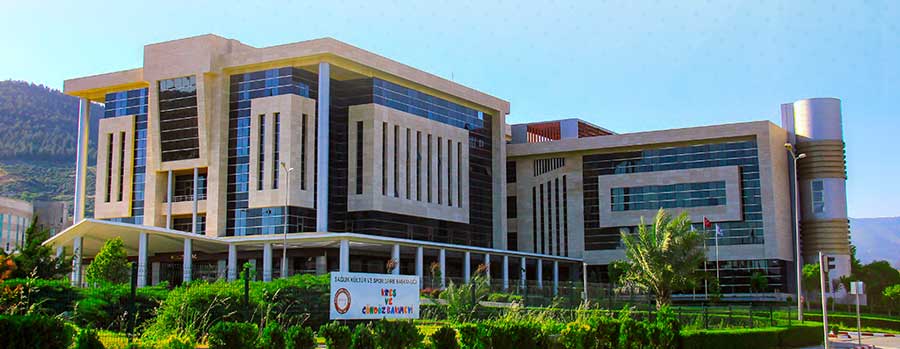
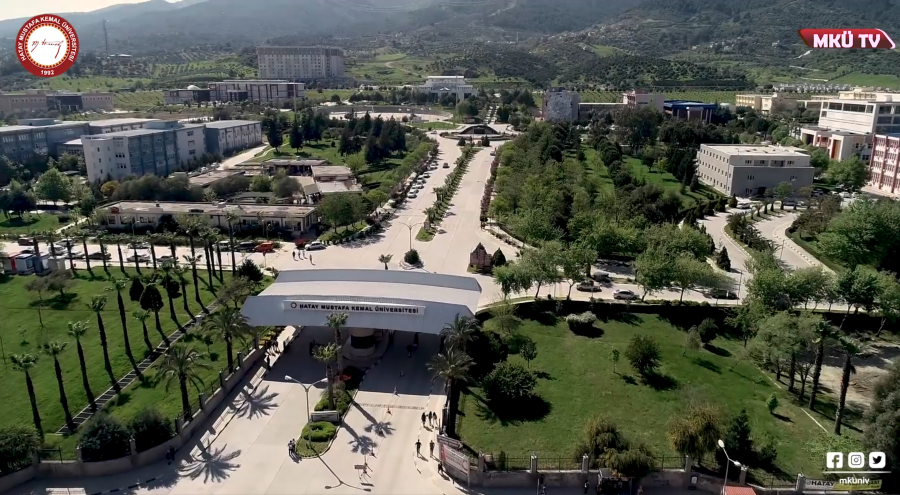
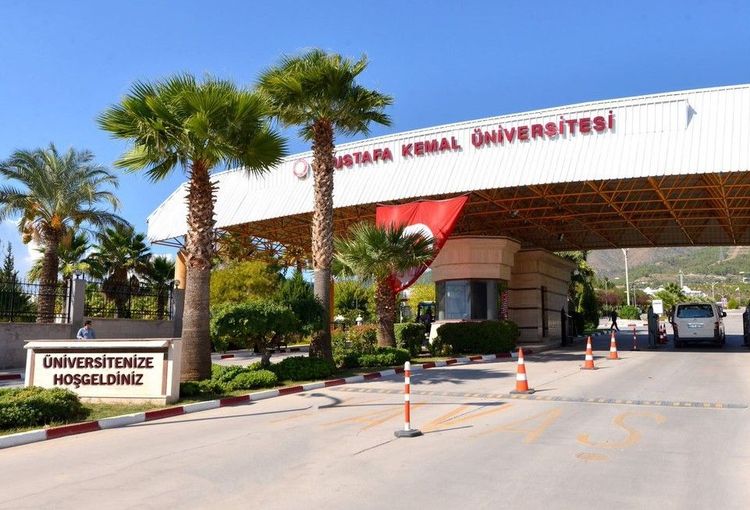
Hatay Mustafa Kemal University was formally established in Hatay located in mid-south Turkey in 1992. Hatay is one of the 81 provinces in Turkey and Antakya is the central city of the Hatay province. MKU has become a leading education and science center through continuous development. The main campus of the University is named Tayfur Sokmen Campus and located in Serinyol area, about 15 km north to the Antakya city center.

Hatay Mustafa Kemal University has 13 faculties, 3 four-year colleges, 9 two-year vocational schools, 3 post-graduate institutes, 19 research centers, 1 satate conservatory and one university hospital also has a specialised dentistry hospital.

Departments of Hatay Mustafa Kemal University

Institutes

o Graduate School of Natural and Applied Sciences

o Graduate School of Health Sciences

o Graduate School of Social Sciences

Faculties

o Faculty of Dentistry

o Faculty of Education

o Faculty of Arts and Sciences

o Faculty of Fine Arts

o Faculty of Economics and Administrative Sciences

o Faculty of Theology

o Faculty of Communication

o Faculty of Architecture

o Faculty of Engineering

o Faculty of Health Sciences

o Tayfur Ata Sökmen Faculty of Medicine

o Faculty of Veterinary Medicine

o Faculty of Agriculture

Schools

o School of Physical Education and Sports

o School of Tourism and Hotel Management

o School of Foreign Languages

Vocational Schools

o Altınözü Vocational School of Agricultural Sciences

o Antakya Vocational School

o Hassa Vocational School

o Hatay Vocational School of Health Services

o Kırıkhan Vocational School

o Reyhanlı Vocational School of Social Sciences

o Samandağ Vocational School

o Vocational School of Art and Design

o Yayladağı Vocational School of Social Sciences

Conservatory

  • Antakya State Conservatory

The city Hatay is located in mid-south Turkey. Hatay is one of the 81 provinces in Turkey. Antakya is the central city of the Hatay province. Other cities of the Hatay province are Erzin, Dortyol, Payas, Iskenderun, Hassa, Kirikhan, Antakya, Reyhanlı, Kumlu, Samandag, Yayladag, Altinozu. HMKU Rectorate and main campus are located in Serinyol, Antakya. Antakya, the biblical city called Antioch, lies on the Asi river (Orontes) on a fertile plain surrounded by grand mountains. Once the capital of the Seleucid kings, it was notorious for its wealth and luxury. In Roman times, the city continued to thrive with commerce and culture. It featured prominently in early Christianity and St.Barnabas, St.Paul, and St.Peter all visited the city.

Internationalization

Hatay Mustafa Kemal University values the internationalization activities. The university is a member of European University Association (EUA) since 2001 and European Association of Erasmus Coordinators (EAEC) since 2009. Mustafa Kemal University participates in the European Union programs such as Erasmus, Lenoardo da Vinci, Youth, 7th Framework Program since 2004. The international activities are managed by the Foreign Relations Office that was established in 2003 (please visit http://int.mku.edu.tr). In Erasmus program, each academic year, more than 120 students are sent in study program and more than 30 students are sent in placement program. At the same time, 25 academic staff are sent for teaching and training purposes. More than 20 staff and 20 students are received in the same academic year.

Admission Requirements for Associate and Bachelor Programmes

Candidates willing to enroll to an Associate and Bachelor programme of Mustafa Kemal University have to take a two-stage exam carried by the Student Selection and Placement Center (OSYM). First, students take the Higher Education Entrance Exam (YGS). Those who pass the YGS (minimum 140 points out of 500) are then entitled to take the Placement Exam (LYS) (The candidates who have the right to enroll in a program without an exam are exempt from this rule).

Candidates have to obtain a score between 140.0-179.9 from LYS to enroll to an Associate or distance education programme. A minimum of 180 points is required for all Bachelor programmes. The overall score of the candidates are calculated together with the score they get from YGS, LYS and their cumulative grade point averages of the high school. Students are accepted to the Faculty of Fine Arts, School of Physical Education & Sports and the State Musical Conservatory according to the results of YGS and Special Aptitude Exam scores. Students are required to obtain necessary scores and requirements determined for the expected programme to enroll. The admission procedures and dates are determined and announced by the Student Affairs Office of Mustafa Kemal University.

Admission Requirements for Master’s and Doctorate Programmes

The graduate institutes announce the names, the quotas, necessary documents, and deadlines for for application to the graduate programs. The applications are received once or twice a year before the beginning of each semester. The requirements for the candidates applying to graduate programs are listed below:

a) Candidates applying for the Master’s programmes must hold an undergraduate degree. Those applying for the PhD programs may apply with a BA or an MA degree depending on the programme.

b) The candidates who completed their education abroad must have a diploma equivalence from the Council of Higher Education (YÖK).

c) Applicants for master’s and doctorate degrees are required to take the Entrance Exam for the Academic Personnel and Graduate Education (ALES) have a minimum score of 55 out of 100. Applicants for doctorate degrees with Bachelor’s degree are required to have a minimum of 90 ALES points or minimum 3.50 cumulative grade point average out of 4.00.

d) The applicant has to submit a required score of a foreign language exam like Foreign Language Exam for Civil Servants (KPDS), Proficiency Exam for Academicians (ÜDS) which are national English proficiency exams organized by ÖSYM.

ECTS Credit Allocation

Curriculum development studies were carried out in the frame of the “Application of Bologna Process” at Mustafa Kemal University. As a first step, Programme Learning Outcomes (Qualifications) for each academic programme were determined to meet the requirements of “National Qualification Framework”. In addition, course learning outcomes, teaching methods, and assessment & grading methods were determined for each course to meet the Programme Learning Outcomes. The allocation of ECTS (European Credit Transfer System) credits to course units has been based on the student workload required to achieve the learning outcomes of the course units. The ECTS credits reflect the quantity of student work that each course unit requires in relation to the total quantity of work necessary to successfully complete a course. The allocation of ECTS is based on a full student workload and not limited to contact hours only. The student work load includes lectures, laboratory study, preparation of projects, practical work, seminars, presentation, tutorials, homework, fieldwork, private study and examinations or other activities.

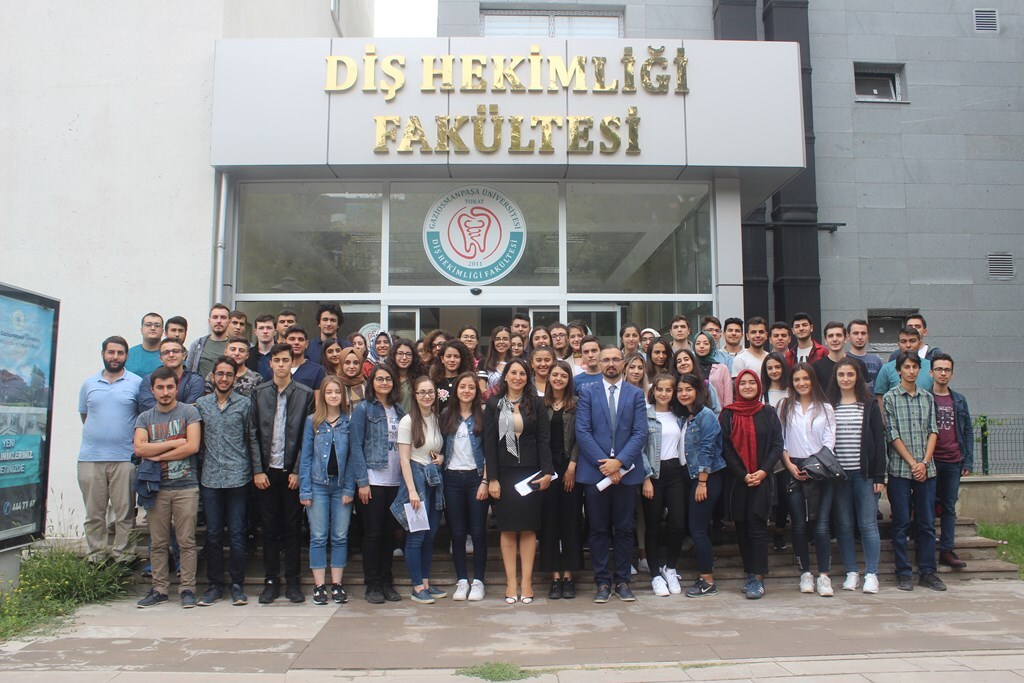
Faculty of Dentistry

Hatay Mustafa Kemal University Faculty of Dentistry provides services in Prosthodontics, Oral and Maxillofacial Surgery, Pediatric Dentistry, Oral and Maxillofacial Radiology, Periodontology, Dental Diseases and Treatment, Endodontics and Orthodontics. The Dean’s Office is located in the H block of Tayfur Ata Sökmen Faculty of Medicine, and the Clinical units serves at Hatay Mustafa Kemal University Health, Practice and Research Hospital.

3 Professors, 3 Associate Professors, 13 Assistant Professors, 44 Research Assistants, 1 lecturer, 1 Faculty Secretary and 7 civil servants works in the Faculty . In addition, 1 dentist, 2 nurses, 2 cleaning staff, 1 secretary, 2 technician and 1 civil servant work in the hospital section.

In order to serve students in our faculty, a Prosthetic Skill Laboratory, which will serve 60 students at the same time, and a Phantom (simulation) Laboratory for 60 students, reflecting the human oral environment, was established in the building of Faculty.

Mustafa Kemal University Faculty of Dentistry continues to transfer its knowledge and experience to new generations by walking to the determined goal, with the realities of our country, the needs of our region and contemporary scientific tolerance.

Our faculty started its education life by taking students for the first time in 2013-2014 academic year. In the new academic year, we are experiencing the right pride and excitement of meeting our new dentistry students as well as our current students.

Program Profile

Faculty of dentistry proceeds on clinical activities since the end of year 2010. Beginning with the academic year 2013-2014, faculty had its first undergraduate students. The education program in the Faculty is 5 years (10 Semesters). The aim of the Faculty is to train dentists with loyalty to Turkish Republic, secular and adopted to social state policies and acknowledgement of scientific thought as a philosophy of life. Faculty graduates have the title of dentist with “post graduate diploma”. Graduates can participate in some healthcare centers, in some institutions and organizations as instructor or researcher, in the ministry of health and some subsidiary departments as managers.

With modern education and world-class quality of treatment, we set out with a very strong academic staff, who are competent in their field, who possess modern knowledge and skills, researchers, who understand the importance of evidence-based dentistry, and who have a vision in the national and international platform.

With a modern education understanding, we have set our goal as our students to graduate by gaining all kinds of professional knowledge and skills, to always offer the best and highest quality service at international standards and to keep patient satisfaction at the highest level.

In this context, our students who graduate from our faculty will start their professional life as a professional dentists who have theoretical and practical knowledge, who are not based on memorization, who know how to learn and access information.

MISSION:

In the light of universal values, it is equipped with the knowledge, skills and abilities needed by our country and humanity; In the light of Ataturk’s principles and revolutions, which are deeply rooted in the basic principles of our Republic, they are rational, inquisitive, tolerant, innovative and creative, We aim to educate highly qualified dentists who love their profession and society having responsibility.

VISION:

It will be a model in the national and international dental community by adopting participation and team work, giving importance to qualified researches, never compromising the quality of education and training, depending on ethical values, pioneering in quality studies, respecting the rights of our students, our employees and our patients, academic and administrative stakeholders, and to maintain brand value.

Departments

o Oral And Maxillofacial Surgery

o Oral And Maxillofacial Radiology

o Restorative Dentistry

o Endodontics

o Orthodontics

o Pediatric Dentistry

o Periodontology

o Prosthodontics

Oral and maxillofacial surgery

Consultants in oral and maxillofacial Surgery (OMFS) deal with the diagnosis and treatment of patients with diseases affecting the mouth, jaws, face and neck. To enter higher training you need to be qualified in dentistry since most of the conditions treated require expertise in dentistry. However residents recive some medical training. Rotations in ENT, Plastic Surgery, Anesthesia and Emergency.

The scope of the specialty is large and includes the surgical and non-surgical management of conditions of the hard and soft tissues of the face, jaws and neck. Oral and maxillofacial surgeons work with patients of all ages from newborn babies to elderly people. They treat children who are born with or develop deformities of their skull or face including cleft lip/palate. Much of their work with young adults involves surgery following an injury or accident. In the older population they often treat tumours of the face and head.

In addition to performing surgery, oral and maxillofacial surgeons also deal with the non-surgical management of conditions such as facial pain, oral mucosal disease and infections. Common to all surgical specialties, OMFS procedures range from the relatively minor through to complex major surgery.

The more straight-forward procedures include dento-alveolar surgery which is the surgical treatment of disorders of the teeth and their supporting hard and soft tissues. For example, a dentist may refer a patient with impacted wisdom teeth to an OMFS consultant.

If the condition cannot be treated under local anaesthetic, the patient will be admitted for elective surgery or as an emergency when a general anaesthetic is necessary.

Procedures undertaken by oral and maxillofacial surgeons include:

1) surgical treatment of facial injuries – complex craniofacial fractures, fractures of the lower jaw, upper jaw, cheekbone, nose, and orbit (sometimes all of these together) and soft tissue injuries of the mouth, face and neck

2) removal of head and neck benign and malignant tumours

3) removal of impacted teeth and complex buried dental roots

4) removal of jaw tumours and cysts

5) temporomandibular (jaw) joint surgery

6) salivary gland surgery – for benign and malignant lesions

7) surgical treatment of cleft lip and palate and other congenital facial deformities

8) surgery of skin lesions of the head and neck

Oral and maxillofacial surgeons use the latest surgical techniques to assist them in their work. For example CT and MRI scans are used to enable surgeons to view head and neck anatomy in three dimensions. The images can then be manipulated in order to produce virtual 3D models which help the surgeon to plan surgery. Based on these models templates and custom implants are made, which are specific to each patient.

The same 3D technology allows surgeons to view the complex structures of the face and skull base on a screen during surgery and use surgical navigation apparatus to guide the surgeon showing them exactly where their instruments are in relation to the scanned images – useful when so many vital structures are so close together

Oral and Maxillofacial Radiology

Oral and Maxillofacial Radiology is an academic department in which oral, dental and medical findings of the patients are evaluated and obtained a preliminary diagnosis with the help of the patient anamnesis, clinical and radiological examination and also histopathological and laboratory examination, if necessary. Systemic diseases that show symptoms in mouth, teeth and jaws, are also evaluated in this department.

The first examination of the patients who referred to the Faculty of Dentistry, are performed at Department of Oral and Maxillofacial Radiology and after the clinical and radiological examination, patients are directed to other necessary departments and the treatment of the patients begins in these departments.

Department of Restorative Dentistry

By using today’s constantly evolving technology and up-to-date information, our clinic aims to diagnose, treat and prevent diseases that occur in the dental hard tissue for various reasons. The main goal is to train conscientious and ethical dentists who will evaluate the oral and dental health of their patients with the awareness of preventive dentistry, transfer their knowledge and equipment to the society, apply their diagnosis and treatment correctly, be beneficial to the society.

As a department, restorative dental treatment of postgraduate dentists are applied by following the scientific and technological developments in the world. Additionally, we are training clinically and academically equipped specialist dentists.

In our department, minimally invasive procedures, restorations of carious teeth, tooth erosion treatments, aesthetic inlays, onlays, overlays in the posterior teeth and lamina veneers in the anterior region, smile design and whitening treatments are performed.

Department of Endodonti

Endodontics is a branch of science that deals with the morphology, physiology and pathology of dental pulp and periapical tissues. Endodontics includes the etiology, diagnosis, prevention and treatment of injuries and diseases of pulp and periapical tissues. The field of endodontics includes the biology of the dental pulp, tooth root and tissues surrounding the root, and the etiology, diagnosis and treatment of diseases and injuries affecting these tissues.

Treatment procedures applied in the Department of Endodontics:

– Diagnosis and treatment of pulp and periapical pain

– Pulp capping treatment

– Root canal treatment

– Restoring the root canal by placing a post

– Endodontic Surgery: Surgical procedures such as root tip resection, hemisection

– Retreatment: Re-treatment of root canal treated teeth,

– Treatment of traumas to pulp and periapical tissues

Deapartment of Orthodontics

Orthodontics, to prevent the occurrence of disorders related to the tooth-jaw-face area; It is a specialty that aims to provide a good aesthetics and function (biting, chewing, speaking, laughing) by diagnosing, stopping and treating existing disorders.

Orthodontic treatment is not only aimed at aesthetics, but also helps the person to bite, chew and speak effectively as well as gum diseases and joint problems that may occur in the future.

Since it will be more difficult to maintain oral hygiene with crowded teeth, gum ailments and decays will be easier. In case of crowding and when the joint relation is broken, a number of problems start in the digestive system because the chewing function cannot be performed properly. With orthodontic treatment, these problems are prevented. At the same time, orthodontic treatment is to provide aesthetics and psychological support by increasing the patient’s self-confidence in the society.

Pediatric Dentistry

Oral and dental health in childhood seriously affects future oral and dental health. For this reason, it is of great importance to quickly solve the problems that occur in this period and prevent the emergence of new problems in terms of preventing serious problems in the future. Dentists who have received special training in this subject and who perform all kinds of treatment and preventive dentistry procedures applied to children are called pediatric dentist, this branch of dentistry is called paediatric dentistry.

Paediatric dentistry is basically divided into 2 parts:

Treating the problems that have occurred: include all treatments such as filling, root canal treatment, extraction, space maintainer

Preventive dentistry applied to prevent the occurrence of problems: These procedures are applied to protect teeth against caries. Preventive dentistry is especially important for children. Since it is an effortless, cheap and painless application, it is preferred that the first encounter of children with the dentist is about preventive dentistry.

Department of Periodontology

Periodontology is a science that evaluates anatomy, physiology, and histology of soft and hard tissues around natural teeth and implant, investigates diseases of these tissues, provides treatment of these diseases and on-going health after treatment.

Periodontal diseases, which are the most common oral diseases in the world, present with bleeding, swelling, halitosis, recession, and occasional pain on gingiva of naturel teeth and implant, and may result in mobility and tooth/implant loss in the following period.

Bacterial plaque as a result of accumulating food debris on tooth and implant depending on false/insufficient brushing lies at the basis of periodontal diseases. In addition to bacterial plaque, smoking, uncontrolled diabetes, and genetic predisposition have effects on the onset and progression of gingival diseases.

It has been reported in many studies that gingival diseases, which are the most important diseases of oral health, poses a risk for heart diseases, preterm birth and even low birth weight by affecting whole body through bloodstream. It can be concluded that treatment of gingival diseases also contributes to body health.

A dental clinic and a local operating room for diagnosis and treatment are found in our department. The following treatments are practised through cavitron, physio dispenser, piezo, cautery, laser, and centrifuge devices:

1. Non-surgical periodontal treatment: Scaling and root planning, subgingival curettage, splint of periodontally mobile teeth, periodontal abscess treatment, oral hygiene motivation

2. Surgical periodontal treatment: Frenectomy, gingivectomy, gingivoplasty, gingival aesthetics, flap surgery, treatment of gingival overgrowth and recessions, resective and regenerative bone surgery, periodontal plastic surgery, preprosthetic periodontal surgery, vestibuloplasty, PRF application

3. Implant surgery: Basic and advanced implant applications, treatment of periimplantitis (periimplant gingival diseases), direct or indirect sinus lifting, horizontal and vertical crest augmentation

4. Laser and cautery applications: Periodontal and periimplant decontamination, gingivectomy, gingivoplasty, frenectomy, stopping bleeding, treatment of excessive pigmentation.

Department of Prosthodontics

The department sees education and scientific research as its main goal. Along with educational and scientific activities, patient treatments are also carried out. These treatments are performed with the help of traditional and current dental prostheses, implants and computer aided production. In the department, intern students perform patient treatment practices on patients under the supervision of faculty members, as well as specialist students and faculty members in Hatay and surrounding provinces, providing prosthetic dental treatment. In the clinical activities, the school provide the highest quality and healthiest prosthetic dental treatment service.

Faculty of Dentistry – Department Information

Language

Turkish

Program Time (Year)

5

Max.Program Time (Year)

8

Program Quota

82

Internships Status

Have

Qualification Awarded

The students who have graduated from the Faculty of Dentistry is awarded with a Dentist degree in the field of medicine.

The students who have successfully graduated from the department may apply to post graduate programmes in the field of dentistry here and in other universities, as well as other fields accepting student from the field of dentistry.

Graduation Requirements

The graduation requirements for the Faculty of Dentistry are the same as the qualification requirements and regulations. There is no additional requirement to secure the Dentist Degree provided that the students have passed all the courses in the curriculum with at least a CC grade.

Occupational Profiles of Graduates

The graduates of the Faculty of Dentistry have many opportunities of employment in a varitey of state and private companies. The job opportunities for the graduates are immense. They are recruited as practitioners or they can get a job in private institutions. Moreover, they can specialize in any field after obtaining the required scores from Dentistry Specialization Examination (Its abreviation is DUS in Turkish). Those who complete post-graduate programme can establish their own consulting-rooms or still they can get a job in various health clinics or institutions. Besides, they can continue their academic career in faculties.

Assessment and Grading

The students are subjected to various evaluation methods such as exam(s), homework, project(s), practice(s) and final exam. The evaluation methods include: written exam(s), true-false test(s), short-answered test(s), multiple-choice test(s), oral exam(s), homework, project(s),designs(s),portfolio, and performance duties (application/laboratory/workshop/field work/seminar/presentation/term paper/dissertation). This part is explained in detail on the individual course information page for each course.

All exams and other activities are graded based on 100 points. The midterm and final exams represent 40% and 60% of the final grade, respectively. However, a student who gets a grade below 30 out of 100 is graded as FF. A student obtaining one of the grades of (AA), (BA), (BB), (CB), (CC), (G), and (B) is considered successful in that course. To enter exams, students must meet following requirements that are specifically outlined in “Mustafa Kemal University Regulation for Vocational and Undergraduate Education and Examination”:

a) Enrolment for the course in question,

b) At least 70% attendance of the course,

c) At least 80% attendance of the practices in the course,

d) Successfully completing practical projects.

Grade conversion is carried out from the 100 grade scale into the Letter grade scale and 4 point grade scale using the table given below for Bachelor’s Degree Programs at Mustafa Kemal University.

Type of Education (Goal)

The main purpose of the faculty is to train specialists, conduct research and promote scientific oriented students to become high caliber of physicians. Graduates of the School of Dentistry are trained to promote health and to be aware of the main health problems of their local communities. The students are taught to use technical equipment cost-effectively. The faculty attempts to form the attitudes of the students according to ethical approaches. The students are taught to learn through all of their lives and to work for humanity as well as to do their best for their country.

Objectives

1-A dentist understand the field of health concepts and their relationships at the undergraduate level, depending on the basis of qualifications gained in secondary education, and has advanced theoretical and practical knowledge supported with the field of health textbooks that contain current information, application and tools, and other sources.

2) A dentist has the knowledge to assessment the nature, source, limits, accuracy, reliability, and validity of the information.

Program Learning Outcomes

With the successful completion of this program, students will be able to

1-is capable of reaching scientific information about health, following, evaluating and practice recent literature

2-is able to use and interprete his or her advanced and scientificly proved knowledge about health to specifiy problems, analises them, finds solutions or suggests solutions using researches, evidence based Professional knowledge and watching ethical values. He/she shares knowledge, works as a team and knows how to share responsibility

3 -solves specific problems of dentistry by scientific data and proofs

4 -evaluates judgmentally his advanced knowledge and skills about health

5-determines goal of education and shows how to learn

6-is capable of providing general preventive treatment about dental ilnesses to patients of all ages. Also he/she can teach something to patients about dental problems and can take in charge in this kind of projects

7-can gain the mission of preventive dentistry and can pass it to patients

8-collects data about his field, interprets, applies and declares the results of this studies. when doing this subjects, he/she can also cooparate with experts of various discplines and acts according to ethically, culturel, scientific and social values

9-has enough knowledge about social dental health, management of clinic, education of assistant personal, working order, protection of infectious diseases, safety of enviroment and work

10-has enough information about all of the laws related with his job and acts in the way of this laws

11-communicates effectively by words and documentally

12-has skills to evaluate the nature, source, borders , truth, reliability and validity of information

13-get responsibility as a member of a team and personally to solve the complicated problems that unexpected about his own field

Soft Skills of The Programme

Undergraduate teaching has historically focused on developing the practical skills trainee dentists need to become competent clinicians. These ‘hard skills’ consist of the necessary knowledge and techniques students attain during training. While these clinical skills are critical to dentistry, it has become increasingly recognised that non-clinical attributes are also valuable assets to the dental practitioner. While considered ‘soft’, non-clinical skills are hard to learn and often overlooked because they don’t directly add to our clinical repertoire.

At Hatay Mustafa Kemal University dentistry undergraduate programme the soft skills below are given to the students with 4 different lectures ; Behavioral Science (2 credits) at year one, Psycology (2 credits)at year 2, consumer education(2 credits) at year 3, Management of Healthcare organizations(1 credit) at year 5. With those lectures in the study plan, soft skills learining outcomes below are aimed,

  1. Enthusiasm,

Organise treatment plan with adequate patient appointments

Organise both hard and soft skills

  1. Communication Skills,

First be a good listener ,a good listener will always be a good speaker

Pace of communication should be adequately paced,give appropriate pause ,test the patient whether he understands what is being communicated

  1. Leadership skills , Emphaty skills

Ability to understand what and how patient is feeling. People often do not like to visit a doctor’s office. If a person needs severe dental treatment, then it makes sense to be fearful. Some dental procedures involve sharp tools including a dental drill. When a patient is nervous, anxious, or panicking,

  1. Ability to focus,

you need accuracy and precision to perform procedures properly.