STUDY ON BEHAVIORAL SCIENCES TEACHING

Aristotle University of Thessaloniki
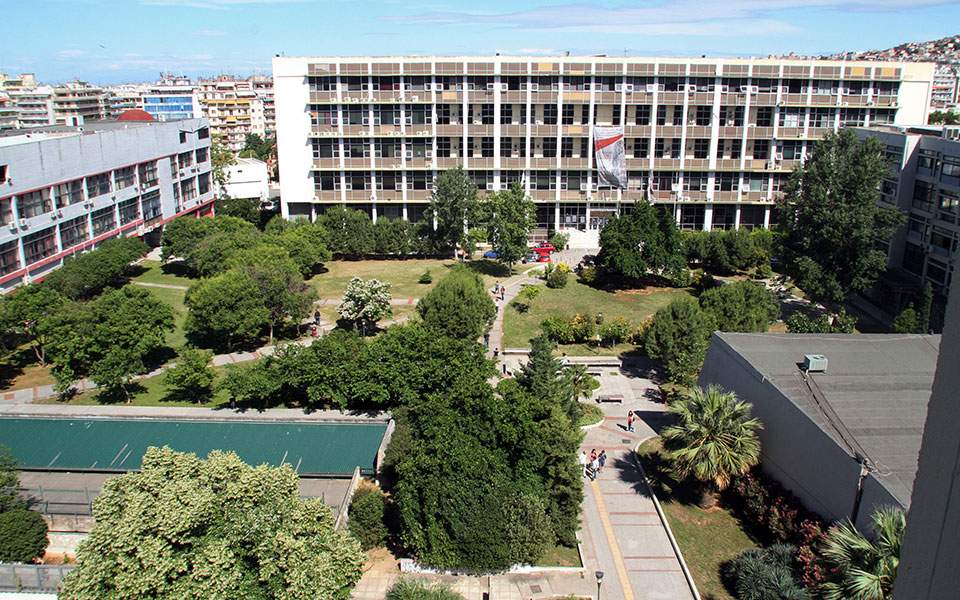
History of the Aristotle University
Eleftherios Venizelos was the first politician to start efforts to found a university in Thessaloniki at a time when Northern Greece had just been liberated and when reinforcing the “New Territories,” as the newly liberated areas were then called, emerged as a national need. Plans provided also for founding a university in Smyrna. However, the Asia Minor disaster thwarted these plans.
It was due to the initiative taken by the government of Alexandros Papanastasiou that the Aristotle University of Thessaloniki was founded in 1925. After considerable discussion, the founding act of the Aristotle University of Thessaloniki (no. 3341/14-6-25) was signed on June 5th, 1925 by the constitutional assembly of the time, and was published in the Government Gazette on June 22nd, 1925.
Problems continued to exist, however, after the enactment of the act, because of the political upheaval of the time. Thus, the Aristotle University first opened its doors a year later, in 1926. Georgios Chatzidakis was the first Head of the university and the second one was Christos Tsountas.
In order to meet the needs and demands of the time, special emphasis was placed on the development of the humanities. Thus, the Faculty of Philosophy was the first to open its doors in 1926. At first, it was housed in the “Allatini” building, which now hosts the Prefecture of Thessaloniki services. Soon, however, the location proved to be problematic and, in October 1927, the Faculty of Philosophy was transferred to a mansion in Ethnikis Amynis street, which previously housed the 2nd Military Hospital. The building was repaired and a third floor was added a little later. Today, it is the historic building of the university and houses part of the Faculty of Philosophy.
The Faculty of Physics and Mathematics opened its doors in 1927. Much later, one of its schools, the School of Forestry, along with the School of Agriculture became part of the newly created Faculty of Agriculture and Forestry which opened its doors in 1937. The Faculty of Law and Economics opened its doors in 1928, whereas the Faculty of Medicine and the Faculty of Theology were founded later, in 1941. The School of Veterinary Medicine was founded in 1950, the Institute of Foreign Languages in 1951, the Faculty of Engineering in 1955, and the School of Dentistry in 1959 as part of the Faculty of Medicine (it acquired its present status as an independent School in 1971).
In 1982, Law no. 1268 providing for the structure and operation of Greek Higher Educational Institutes brought about a complete restructuring of the Aristotle University of Thessaloniki, since it promoted the school as the basic academic unit, a restructuring of faculties and the organization of schools into new faculties: the Faculty of Theology, the Faculty of Philosophy, the Faculty of Sciences, the Faculty of Law and Economics, the Faculty of Geotechnical Sciences, the Faculty of Health Sciences, and the Faculty of Engineering.
The Faculty of Education was founded in 1983, the Faculty of Fine Arts in 1984, the independent school of Physical Education and Sports Sciences in 1983 and the independent School of Journalism and Mass Media in 1991. The School of Education in Florina was founded in 1993 and is now part of the University of Western Macedonia. New schools were added in the already existing faculties, such as the School of Political Sciences in the Faculty of Law, Economics and Political Sciences, the School of Psychology in the Faculty of Philosophy, and the School of Informatics in the Faculty of Sciences. Among the newer schools are the following independent schools: the School of Energy Resources Management Engineering in Kozani (1999), the School of Balkan Studies (1999) and the School of Education (1993) in Florina, which are part of the University of Western Macedonia as of January 1st, 2004 (Senate meeting 2753/28-8-2003). Two new schools were founded in 2004: the School of Film Studies, part of the Faculty of Fine Arts, and the School of Urban-Regional Planning and Development Engineering (in Veroia), part of the Faculty of Engineering. It needs to be noted that the Senate has decided to abolish the Faculty of Health Sciences and the Faculty of Geotechnical Sciences, and organize their schools into single-school faculties. Only the School of Pharmacy has retained its status as an independent school.
Vision and Mission of Aristotle University of Thessaloniki
Based on the mission of Higher Education Institutions (HEIs), as described by Greek Law (N. 4009/2011, article 4) the vision and mission of AUTh can be summarized as follows:
· Upgrading the educational process and the curricula (Accreditation) – Educational and teaching excellence
· Enhancing excellence in research
· Enhancing AUTh’s international presence
· Upgrading the organization and operation of Administrative Services
· Using, applying and making the most of current Information and Communication Technologies
· Upgrading the quality of student services
· Connecting the University with society and promoting of AUTh to a landmark of development and culture
· Utilizing the University’s real property and intangible assets for the benefit of both AUTh and society at large
· Being an environmentally friendly University
· Being a friendly and accessible University towards all citizens and especially the ones with disabilities.
Strategic objectives of Aristotle University of Thessaloniki
The strategic objectives of The Aristotle University of Thessaloniki, in the framework of its vision and mission, remain high and consistently oriented to the continuation of its tradition, namely to be a pioneer institution, standing out among Greek and many foreign Universities on all levels: education, research, culture, connection with society.
More specifically, The Aristotle University of Thessaloniki aims at the following:
· To continue being the best multi thematic university in Southeastern Europe and attract the best candidates (on postgraduate level first and later on undergraduate level), from Russia, America, all the countries of SE Europe, from the Middle and Far East and also from the Greek diaspora around the globe.
· To address the need for all its Faculties and Schools to achieve high international recognition and to reach high positions in International University Rankings.
· To achieve this international recognition through both the high quality and academically recognized research activity of its members, as well as through
· The integration of its graduates into the labour market
· The quality of undergraduate studies
· The utilization of research results by society and enterprises
· To have an efficient and user-friendly ICT application environment, providing services and support to students, staff and researchers.
· To constantly improve the working conditions and the quality of life in the Institution.
· To make the knowledge produced and transmitted easily accessible to society and enterprises.
· To inform society, the state and the international academic community of any work that is conducted in AUTh (at the academic, research, developmental, social or cultural level).
· To stay in contact with its alumni and make them feel proud for having studied at a university that excels and engages the best among them in activities for the promotion and support of the University, but also for synergies in areas of education, research and innovation.
· To be able to attract top academics from the Greek diaspora.
· To be a leading and attractive partner in international research and development projects.
In the framework of the Action “Upgrading the Administrative Services at AUTh” the Institution focuses on the certain measures that will be successful through the implementation of the following actions.
1. Continuous quality improvement in education and research
2. Constant improvement in the quality of processes and provided services
3. Constant improvement in the quality of life and quality of work within Aristotle University
4. Transparency at all levels
5. Dissemination of Aristotle University achievements to the society and the government, as well as to the international academic community.
Quality Policies
Cornerstones of quality policies:
· Development of a target setting system (Administration through targets) and monitoring of the quality indicators, measuring the effectiveness and efficiency of administrative services (on all administration levels). Upgrading of the Quality Assurance System into a decision-making support system.
· Design, modeling and application of the new electronic services required.
· Educational and supportive actions.
· Design of the reorganization of Administratiion and optimization of the relevant procedures.
· Implementation of the reorganization of Administration and optimization of the relevant procedures.
· Archive digitization.
Structure of Aristotle University of Thessaloniki
The Aristotle University of Thessaloniki is constructed on the base of science area faculties, with each of them comprising a certain number of schools. There are the following faculties: Faculty of Education, Faculty of Theology, Faculty of Philosophy, Faculty of Sciences, Faculty of Law, Faculty of Physical Education and Sport Sciences, Faculty of Economics and Political Sciences, Faculty of Agriculture Forestry and Natural Environment, Faculty of Health Sciences, Faculty of Engineering, Faculty of Fine Arts.
The Faculty of Health Sciences (FHS) of Aristotle University of Thessaloniki (AUTH)
The Faculty of Health Sciences (FHS) of Aristotle University of Thessaloniki (AUTH) was established on 05.06.2013, as part of (1) the “ATHENA” reform act of Higher Educational Institutions, (2) the proposal of the Senate of AUTH (Reg. meeting 2856/6-3-2013) and (3) the Presidential Decree 98/2013 (Government Gazette 134/5-6 to 2013, vol. A’). The FHS encompasses the Schools of Medicine, Veterinary Medicine, Dentistry and Pharmacy.
Objectives of the Faculty
With the implementation of innovative curricula, the FHS provides an education that integrates formal “classroom” knowledge with clinical experience and thereby prepares students for all career options in medicine, veterinary medicine, dentistry and pharmacy.
In specific:
· It provides integrated education in medicine, veterinary medicine, dentistry and pharmacy, at the undergraduate, postgraduate, and professional training levels.
· It promotes basic, applied, and translational research in the fields of health promotion, disease prevention diagnosis and treatment.
· It fosters international collaborations in research and education.
· In addition to its academic and research missions, the FHS medical also provides highly skilled clinical care services to the community of Thessaloniki and Northern Greece.
· Finally, it is the objective of the FHS to act as a consultant on matters of health and health policy to Health Services and the State.
Dental Medicine in Aristotle University of Thessaloniki
Dental School through years
Dental School of Thessaloniki has already completed half a century of life and looks ahead with optimism for the years to come. It was founded on September 1959 and in December of the same year welcomed the first 52 students that succeeded in exams whose number increased to 70 due to transfers.
In the 50’s, the Aristotle University grows strongly and many newly established departments and faculties are founded. Specifically, in 1950 is founded the Veterinary School and follow in 1951 to 1954 Institutes of English and French Language and in 1955 to 1958 the Polytechnic School initially with the Department of Civil Engineering and then with the Department of Architecture.
The recognized dental science started in Greece in 1834 with the introduction of the Royal Medical Congress of Greece, which was the first legislation that safeguarded Public Health. And concerned physicians, dentists, pharmacists and midwives.
In 1893 the first private Karakatsanis Dental School was founded, which also was recognized immediately by the Medical Congress of Greece.
In 1911 the Law concerning “The Organization of the University of Athens” Dental School is created as an annex to the Medical School, which targets to educate doctors. The school is attached to the Medical School. Attendance is three years and teaching is assigned to permanent and temporary teachers of the Medical School and a temporary professor of Dentistry and Oral Pathology is added with a special clinic.
In 1916, after the decree concerning”The operation of the Dental School, National University” began also the operation of the Dental School of Athens in the building located at the George road in Kannigos Square.
In 1921 and 1922, according to a LD, dental education increases to four years and the Dental School becomes independent with its own Teacher Association in which a Professor of Medicine is Head, four new dentals departments are added, apart from Stomatology and so there are, now, five dental laboratories. Therefore, members of the Association of Teachers are all teachers of medical courses and five (5) teachers of dental courses.
The Dental School of Aristotle University of Thessaloniki was established in 1959. Nowadays, it is part of the University Campus and the main entrance is located on Agiou Dimitriou Street, one of the main roads of Thessaloniki. The Dental School consists of 2 buildings, the main building, which houses the Laboratories and the Clinics for the clinical practice of undergraduate students and the Mandalidio Research Center (second building), which houses research laboratories and the clinics of the postgraduate program of Dentistry. The Dental School of Thessaloniki is part of the Health Sciences School that is part of the Aristotle University of Thessaloniki one of the major universities of Greece.
The Dental School is divided into Sections. Each Section coordinates the teaching of a specific field of dental science.
Each Section has its General Assembly and the Director. The General Assembly consists of the Faculty’s Teaching and Research Staff (TRS) of the Division, 2 to 5 representatives of undergraduate students (as long as their number does not exceed 30% of the total number of faculty), a representative of the postgraduate students of the sector and a representative of the Laboratory Teaching Staff (EDIP), the Special Technical Laboratory Staff (ETEP) and Assistant-Scientific Staff.
The Director is the chairman of the General Assembly of the Section and is elected by the General Assembly, belongs to one of the two senior faculty ranks and his/her term shall last for one year.
The Dental School is divided into 4 Sections and there are 9 departments:
· Section of Pathology and Therapeutics of Dental Tissues
· Section of Oral- Maxillofacial Pathology, Surgery and Radiology
· Section of Orthodontics, Paediatric Dentistry, Preventive Dentistry and Periodontology
· Section of Prosthodontics
· Department of Orthodontics
· Department of Prosthodontics
· Department of Pediatric Dentistry
· Department of Preventive Dentistry, Periodontology and implant Biology
· Department of Dentoalveolar Surgery, Implantology and Oral Radiology
· Department of Oral Medicine / Pathology
· Department of Oral and Maxillofacial Surgery
· Department of Endodontology
· Department of Basic Dental Sciences
The Dental School of Aristotle University of Thessaloniki offers as undergraduate as postgraduate programmes of education. The Dental Curriculum of the Dental School is a full time program and in accordance with the European Union regulations and the position paper of ADEE( Association for Dental Education in Europe) on the Profile and Competences of the European Dentist The teaching language is Greek in the undergraduate dental program. Students study dental terminology in several foreign languages such as English, German, French.
The Dental School in Aristotle University offers postgraduate programs in English language
About 800 undergraduate students pass a 5 years training period leading to a Degree of dentistry. The programme is based on international standards to offer both knowledge and practical/clinical training. Each academic year is structured by semesters, as presented in the Study Guide.
The first academic years the study program starts with basic medical and dental courses (most of them are in common with the Faculty of Medicine program) and continues with specialization courses in the following years.
Dental students provide patients treatment for the first time during the 3rd academic year (5th semester starting with Oral Diagnosis, Periodontology, Oral Anesthesiology.
The use of computers is achieved in the disciplines of medical informatics, biostatistics, where students are trained in statistical analysis in medical science and the most commonly used computer programs.
Several courses deal with new developments in medical, biological, physics, chemical fields.
CAD-CAM techniques in Dentistry, Laser techniques in all dental fields (operative dentistry, endodontology, periodontology, surgery), CBCT scan are some courses included in both theoretical and clinical training of dental undergraduate and postgraduate students. A fully equipped histopathology laboratory incorporated in the Dept of Oral Medicine & Oral Pathology enables the dental students to understand the oral mucosal diseases including periodontal disease in the microscopical level.
A comprehensive dental care clinic works in the 5th wear providing to our students the necessary knowledge and experience, by applying the clinical algorithms that have been taught for the management of patients with specific complex dental problems.
For their pre-clinical training our students are trained on phantom dental simulators that are equipped with dental clinical microscopes.
Patient records are maintained in a computer based system with multiple capabilities (x-ray-image storage and retrieval etc.). The patient’s medical and dental history is easily retrieved enabling our students to study a very large number of clinical case series, that help them to acquire information about the sequence of the dental management.
Clinical training includes a large number of cases in all dental disciplines that our students work simultaneously as an interventionist and assistant to become even more familiar with patient contact and management.
The teaching is based on several methods and technologies.
The groups include a small number of students in order to maintain a high level of transmission of knowledge. The courses are based on PowerPoint presentations that may include videos to offer a more effective understanding of the subjects taught. A large series of videos are available in the taught courses to present clinical techniques to prepare the students before their entrance in the clinics. A combination of active/proactive and self-directing learning is followed. Several lectures and clinical case presentations are available through e-platforms (such as e-learning auth.gr) Clinical algorithms are presented and discussed with students to train them in the management of patients with specific complex dental problems. The virtual patient definitely will be part of the future methods of performing initial clinical familiarization before the entrance of our students in the main clinical training.
The Dental School offers a wide range of postgraduate programs in several dental specialties in Greek Language
1. Science & Technology of Prosthetic Dentistry
2. Applied & Clinical Dental Science
3. Restorative Dentistry- Esthetic Conservative Restorations
4. Dental & Craniofacial Bioengineering & Biomaterials
5. Orthodontics
6. Oral Medicine & Oral Pathology
7. Dento-Alveolar Surgery
8. Special Care dentistry
9. Paediatric Dentistry
10. Periodontology
11. Dental prosthetics
12. Basic Dental Sciences
13. Endodontics
Furthermore, the Dental School of Aristotle University offers postgraduate programs in English Language in:
· Orthodontics
· Dental & Craniofacial Bioengineering & Biomaterials
· Paediatric Dentistry
The postgraduate programs lead to Master’s Degree and the duration is depending on the chosen specialization and last between 3 to 6 semesters. The evaluation in the postgraduate level is continuous based in examinations (written & oral), assessment of the clinical cases performed by the postgraduate students, essays and a final dissertation which is a personal research project.
After the completion of their Master’s degree the postgraduate students have the opportunity to proceed to the PhD academic degree in several different dental fields.
The minimum duration for a PhD is 3 years and the PhD candidate must perform a personal unique research project. The PhD candidate is instructed by a 3 members committee and with the completion the research project is presented in a 7 member committee. A basic prerequisite before the presentation of the project is to publish the results in two at least publications in high impact scientific journals.
It also offers two courses of postgraduate studies. The first course includes postgraduate studies in different sections of dentistry for 2 or 3 years, leading to a postgraduate diploma of Mater of Science (MSci). The second course includes 3 year studies, leading to a PhD Diploma.
Soft Skills Teaching and Learning
In the medical and dental curricula are incorporated disciplines such as Behavioral Sciences, Medical Psychology, Medical Communication, Scientific Research
Methodology, Bioethics and Deontology, Patient’s Psychologic Management, starting in early semesters. The above mentioned disciplines are conducted during the preclinical training so that students become familiar with communication and patient management prior their entrance in the clinics.

University of Oviedo
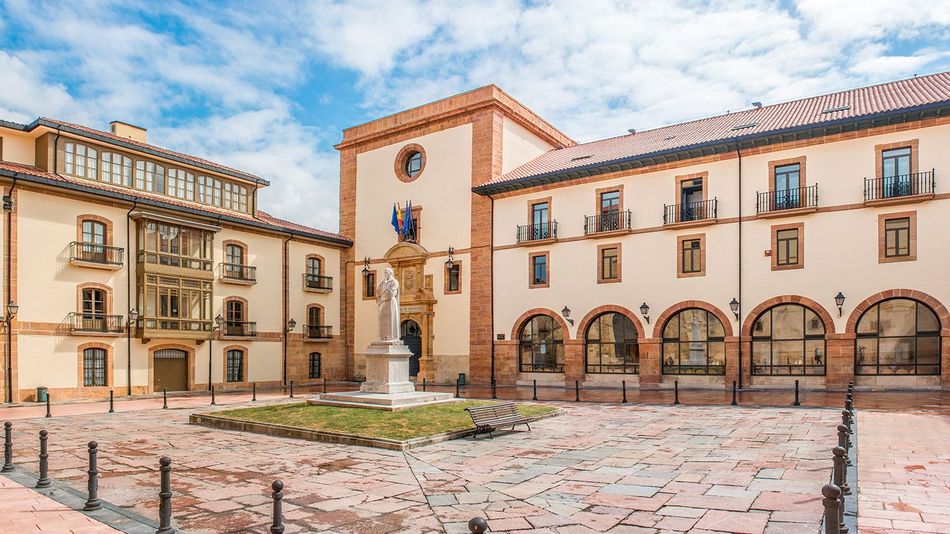
History of University of Oviedo
The foundation of the University of Oviedo was possible thanks to the will of Fernando de Valdés, Archbishop of Seville, Inquisitor General and President of the Council of Castile, in accordance with his will and codicils issued in 1566 and 1568.
The university institution enjoyed jurisdiction by bull of erection, which together with the execution, was issued on October 15, 1574 by Pope Gregory XIII. Both were issued in the month of November of the same year. The academic institution was born under the patronage of King Felipe III, at the request of Valdés himself, as established in the royal pragmatic signed on May 18, 1604. In that same year, the royal pragmatic of Philip III confirmed the papal bull and the building. It is solemnly inaugurated on September 21, 1608, the feast of San Mateo.
Initially, the construction housed the studies of Arts, Canons, Law and Theology with barely a hundred students and its operation was governed by the so-called Old Statutes, delivered to the university by the testamentary executors of Valdés in 1607 and confirmed by the king in 1609.
In the course of the 17th century, not without difficulties, the studies in the Oviedo academy were established. In 1618, the first modification of the Statutes took place and, in them, changes in the university organization were included, which basically affected the teachings and issues related to the government of the institution that were not included in the primitive statutes. The economic hardship was constant during the first half of the century, although it was slightly alleviated by King Felipe IV, who granted new income to the university and thus achieved the consideration of re-founder of the Oviedo Academy.
During the eighteenth century, the academic institution will experience, for the first time in its history, moments of great splendor. The century began with a new legal instrument, promulgated in 1707, intended to govern academic life, the so-called New Statutes, which are, in reality, a transfer of the aforementioned Statutes of 1618. During this century, the ideas of the Enlightenment They will have a notable weight in academic activity and will translate into initiatives of the greatest interest.
In 1709, Fray Benito Jerónimo Feijoo arrived in Oviedo as a reader at the Benedictine monastery of San Vicente. His presence in the monastery and in the university chair and his contacts with enlightened people from the city constitute a true stimulus for the society that surrounded him. It is here where he writes two of the most influential works of the Spanish 18th century: the Universal Critical Theater and the Erudite and Curious Letters., which give great renown to Oviedo and its university. Accompanied by other monks from San Vicente and a few more from other religious orders, he introduced Enlightenment ideas to the university and Asturian society that years later would bear fruit in splendid achievements, some of which, such as the new library of the university and the study plan of 1774, became a reality at the hands of another illustrious Asturian, Pedro Rodríguez de Campomanes.
The new Manuel Reguera library. On top of the old university bookstore, poor in funds and diminished in space, a new bibliographic establishment is going to be erected, the embodiment of the most genuine Enlightenment ideas. With the money earmarked for the construction of a library at the Colegio de San Matías, of the Company of Jesus, which the Jesuits rejected, Campomanes ordered that this money be used to establish a new library at the university. The works, carried out with the contribution of the General Meeting of the Principality, began in 1765 and the library was opened to the public in 1770 with select collections that increased considerably until the end of the century. The newly created library was installed on the new floors built on the south and west sides, according to the project and plans of the great architect of the Asturian Enlightenment, Manuel Reguera. This new bibliographic space constitutes the first major modification of the university building since its foundation.
The innovative curriculum of 1774. Education was one of the great concerns of enlightened men and those heroes, among which Campomanes stands out, dedicated their efforts to its reform. The reforms undertaken by Felipe V and Fernando VI paved the way for the great transformations that were to take place under the reign of Carlos III, the most important of which was the entry into force in 1774 of a new study plan, highly innovative in terms of many aspects, particularly in what refers to new study methods and the radical change of the textbooks used until then in the four existing faculties. In 1786, Medicine studies were established, endowed with two chairs at the impulse of Bishop Agustín González Pisador, which had an ephemeral life since they disappeared in 1806.
XIX century can be described as bad start, good end. The 19th century began on the wrong foot for the University of Oviedo and ended with its important role in the Spanish sphere.
The war against the French. The war against the French seriously affected, from 1808, the Oviedo academic institution. During part of this period, classes were suspended, the building was looted, furniture and household items were lost and, above all, the library was damaged, from which the most valuable books and an exceptional coin, which had been the property of the Society of Jesus and had been guarded in its Oviedo College of San Matías until the expulsion of the Jesuits in 1767. To the serious loss of an important part of the assets of the university, due to the war events, was added a bad administration of the funds and properties of the institution. For this reason, the educational center enters a prolonged period of decline, accentuated by the absolutist provisions dictated by Fernando VII, the liberal university
The end of the Old Regime and the introduction of liberal doctrines in Spain brought about a notable change in the Spanish university. The entry into force, in 1845, of the new education law, known as Plan Pidal, since the then Minister of the Interior was the Asturian Pedro José Pidal, first Marquis of Pidal, entailed a notable reform of the universities. New faculties were created, others were modernized, scientific studies were promoted and measures of a different nature were taken, which made educational institutions more flexible.
In Oviedo, the scientific disciplines began to be cultivated with more intensity, in close union with the chairs that taught studies of this nature in the Economic Society of Friends of the Country of Oviedo, and the Physics, Chemistry and Natural History Cabinets were created. , in addition to an important Botanical Garden, without forgetting the tower-observatory built a few years later by the rector León Salmeán and erected in the place occupied by the old belfry of the university chapel. Although these first scientific studies, established in the mid-19th century, were soon suspended, the aforementioned cabinets and the observatory continued to develop their activities and were the seeds for Science studies to be definitively established in Oviedo at the end of the century.
The Oviedo group and the university extension. With that single faculty, the Oviedo university became famous throughout the country. In it, in the last years of the 19th century, a cultural and pedagogical renovation movement of great encouragement was born, promoted by a faculty faculty whose formation was notably influenced by Krausist ideas, inspiring the pedagogical principles in force in the Institución Libre de Enseñanza, founded by Francisco Giner de los Ríos, without forgetting ideological elements of a regionalist and conservative nature. The most prominent names were Leopoldo García Alas -Clarín-, Aniceto Sela y Sampil, Adolfo González Posada, Adolfo Álvarez Buylla, Rafael Altamira y Crevea from Alicante, Fermín Canella y Secades, Félix Aramburu, Víctor Díaz Ordóñez, Justo Álvarez Amandi, Guillermo Estrada and Rogelio Jove. These great men wanted to put into practice the new ideas emanating from the Institución Libre de Enseñanza. These ideas were not only limited to the use of new pedagogical methods within the academic entity itself, but also sought, among other innovations, for teaching to leave the university walls and spread among the humblest layers of the population.This doctrine, with its message of popular culture extended to all social classes, which received the name of University Extension, together with a historically based cultural neo-Hispano-Americanism, are the dominant notes of the pedagogical renewal movement that developed at the University of Oviedo. at the end of the 19th century. The Oviedo group, as this group of renovating professors was called, had an enormous echo in national and international arenas, arousing unanimous admiration and praise for their courage in putting such innovative ideas into practice in the face of the cultural negligence of the country. The social repercussion of this phenomenon was enormous, not only in Asturias, but throughout Spain, and this modality of popular education spread rapidly among several universities in the country. Although some of those great figures from the University of Oviedo died early and others went to Madrid, so it can be said that the movement cooled down after 1910, our university continued to enjoy, despite its small size, remarkable prestige throughout Spain, strengthened by the increasingly notable presence of the Faculty of Sciences. In times of the Second Republic, the Oviedo center continued to count on illustrious professors in the legal, scientific and humanistic fields and was directed by the rector Leopoldo Alas Argüelles, son of Clarín, the famous writer.
Twentieth century. A troubled century. The academic institution is affected during the 20th century by two historical events that profoundly mark its development: the Revolution of 1934 and the Civil War. The century, which begins with enormous losses for the University of Oviedo, culminates with a consolidated expansion in studies and centers that extend from the capital to the Gijón and Mieres campuses.
The university, fuel for flames. The teachings were concentrated in the old university building erected from 1574 and in the attached Science pavilion, built in the early years of the 20th century. To this complex was added the Colegio de Niñas Huérfanas Recoletas and the attached chapel of San Sebastián, erected in the second half of the 17th century and ceded to the University by the city council at the end of the 19th century. The primitive nucleus of the University of Oviedo was completed with the Colegio de San Gregorio, demolished at the beginning of the 20th century, on whose site the headquarters of Banco Asturiano was built. The largest and most valuable part of this primitive university campus suffered terrible damage on October 13, 1934, during the uprising of the unions and left-wing parties against the government of the Republic. Only the Science building was spared from destruction. The university, like the rest of the city, was in the hands of the revolutionaries who turned the building into an ammunition depot. That same day, before the revolutionaries left Oviedo, fire took over the university building. In addition to the enormous damage suffered in the building, it was necessary to add the disappearance of the secular patrimony that the University of Oviedo had treasured since its founding, in the last years of the 16th century, and since the implementation of its teachings, in the year of 1608.
The scars of the Civil War. Immediately after the events of October 1934, the Ministry of Public Instruction decided to undertake the restoration works of the university building, for which it commissioned a project from the architect José Avelino Díaz y Fernández-Omaña. The works were approved with all speed, on January 22, 1935, and were affected by the outbreak of the Civil War. The impacts of cannons and aviation bombs produced significant damage to the construction, which was practically finished, for which reason new repair reports had to be drawn up and urgent works carried out. It is noteworthy that the University of Oviedo was installed in the Casino de Navia while the Civil War in Asturias lasted. With all these delays, the main building was not opened until the mid-1940s, so the classes and other academic activities were spread over different buildings and flats in Oviedo. The building of the Colegio de Huérfanas Recoletas was also rebuilt, although not the chapel of San Sebastián. With regard to the pavilion that housed the Faculty of Sciences, there was a project for its restoration drawn up in 1937. It was thought to install the Faculty of Philosophy and Letters in it while it was agreed to build a building for the Faculty of Sciences in the Llamaquique neighborhood. That primitive Science pavilion was finally demolished in the fifties and a new one was built, according to the project of Francisco Casariego, completed by Joaquín Cores. although not the chapel of San Sebastián. With regard to the pavilion that housed the Faculty of Sciences, there was a project for its restoration drawn up in 1937. It was thought to install the Faculty of Philosophy and Letters in it while it was agreed to build a building for the Faculty of Sciences in the Llamaquique neighborhood. That primitive Science pavilion was finally demolished in the fifties and a new one was built, according to the project of Francisco Casariego, completed by Joaquín Cores. although not the chapel of San Sebastián. With regard to the pavilion that housed the Faculty of Sciences, there was a project for its restoration drawn up in 1937. It was thought to install the Faculty of Philosophy and Letters in it while it was agreed to build a building for the Faculty of Sciences in the Llamaquique neighborhood. That primitive Science pavilion was finally demolished in the fifties and a new one was built, according to the project of Francisco Casariego, completed by Joaquín Cores.
The university also acquired numerous artistic assets to recover the splendor of the institution prior to the events of 1934 and an exquisite library to replace the old bibliographic establishment.
Expansion beyond Oviedo. Once the danger of transferring university studies to Santander had been overcome, the authorities started the reconstruction of the university and took a series of measures that affected teaching. In 1939, the Faculty of Philosophy and Letters was created, which was added to those of Law and Sciences, and the former León Veterinary School, converted into a Faculty in 1944, was incorporated into the university district of Oviedo. university, the School of Local Administration and the Social School. In 1958, the building of the Faculty of Sciences was inaugurated in Llamaquique, the first center to be separated from the initial university core, and which began an expansive process that has continued practically to this day. Others were added to this building on the different Oviedo campuses, on the Gijón campus and on the Mieres campus, to host the different teaching and research activities of the university institution. Most of the buildings are new, but historical buildings of great architectural value from the 18th, 19th and 20th centuries were also acquired, among which the 18th-century extension of the old San Vicente Monastery and the Palace of the Quiros Benavides family.
New studios and centers for new times. The great emergence of the University of Oviedo occurred in the seventies of the twentieth century. On the one hand, as established in the new General Education Law of 1970, centers until then unrelated to it were incorporated into the University, such as the Technical and Professional Schools, which in the case of the University of Oviedo were the School Higher Technical School of Mining Engineers, the Professional School of Commerce and the School of Teaching in Oviedo, the School of Industrial Experts and the Professional School of Commerce in Gijón and the former School of Mining Foremen in Mieres. On the other hand, new centers are born, the Faculty of Medicine, created in 1968, was the first of them and was followed by the Faculty of Economic and Business Sciences, in 1975.
In 1976 the division of Philosophy and Educational Sciences was created, with three sections: Philosophy, Psychology and Pedagogy.
In 1982, the Faculty of Philosophy and Letters broke up into three different faculties: Philosophy and Education Sciences, Philology and Geography and History. This situation will remain until 2009, when the three centers are regrouped again in the Faculty of Philosophy and Letters, with the exception of Educational Sciences, which had been established as a faculty in 1994, barely three years after the conversion. of the specialty of Psychology in an independent faculty. By agreement of the Governing Council on December 22, 2009, the Faculty of Teacher Training and Education was created, which integrates the former Faculty of Educational Sciences and the University School of Teaching.
Within the Faculty of Sciences, the Geology Section was launched in 1958. The Biology Department was born in 1961 with its headquarters in León, which then belonged to the university district of Oviedo. In 1968, two sections were created within the same university, one for General Biology in Oviedo and the other for Animal Biology in León. By ministerial order of February 5, 1982, all sections of the Faculty of Sciences became independent centers and thus the Faculties of Chemistry, Geology and Biology were created.
Several centers were opened on the Gijón campus. On the one hand, in 1979, the official status of the Gijón Nautical School was established, which would later become the Superior School of the Civil Navy. The integration of this in the University of Oviedo, as it happened in all of Spain, begins with Law 23/1988 of July 28, to comply with what was provided for in the University Reform Law of 1983. On the other hand, The Polytechnic School of Engineering emerged in 2010, the result of the merger of the Gijón University School of Industrial Technical Engineering with the Gijón University School of Computer Engineering and Telematics and the Gijón Higher Polytechnic School of Engineering. In that same year,
The School of Mining Technical Engineering of Mieres became the University School of Technical Engineering, with the specialties of Mines, Forestry and Topography. These degrees were joined by the Guillermo Schulz Higher Polytechnic School to teach the second cycle of Geological Engineering, already in the new building on the Mieres Campus, which had been built in 2002. All the degrees taught in Mieres are finally integrated into the new School Polytechnic in 2009.
XXI century. The University of the present that looks to the future
The University of Oviedo stands out today for the quality of its training offer and its research in all areas of knowledge: arts and humanities, sciences, health sciences, social and legal sciences, and engineering and architecture. The institution is made up of eleven faculties, six schools, and three associated centers, spread over the three cities—Oviedo, Gijón, and Mieres—where its campuses are located.The University of Oviedo is immersed in a transformation process with a view to optimizing university infrastructures, both from the point of view of adapting to the new reality of university degrees and administrative organization and from the point of view of maintenance and conservation of its extensive historical heritage and the facilities that make it up, seeking to improve quality in the teaching, research and knowledge transfer fields and following sustainability and environmental protection criteria.
The strategy is embodied in a general program aimed at transforming university campuses into a knowledge environment where quality of life, environmental sustainability, the aggregation of agents and institutions, student services and urban planning make the university spaces in a referent for the Asturian society.
Institutes and other centers
The University of Oviedo is structured into centers and departments, where teaching is given and research is carried out. In addition, it has a series of centers, institutes and more specialized services.
Institutes and centers
· Institute of Space Sciences and Technologies of Asturias (ICTEA)
· Institute for Educational Research and Innovation (INIE)
· Institute of Neurosciences of the Principality of Asturias (INEUROPA)
· Institute of Natural Resources and Land Management (INDUROT)
· Feijoo Institute of 18th Century Studies
· University Institute of Biotechnology of Asturias (IUBA)
· University Institute of Business (IUDE)
· University Institute of Oncology (IUOPA)
· University Institute of Organometallic Chemistry “Enrique Moles” (IUQOEM)
· University Institute of Industrial Technology of Asturias (IUTA)
· University Institute on Gender and Diversity (IUGENDIV)
· Avilés University Services Center
· Center for Territorial Cooperation and Development (CeCodet)
· Artificial Intelligence Center
· Center for Research in Nanomaterials and Nanotechnology (CINN)
· Mixed Biodiversity Research Unit (UMIB)
· Martínez Marina Constitutional History Seminar
Departments
The University of Oviedo is organized into 38 Departments of the five branches of knowledge, to which most of the personnel that carry out research work are linked. The knowledge areas are Arts and Humanities, Sciences, Health Sciences, Social and Legal Sciences, Engineering and Architecture. The departments are the teaching and research units in charge of coordinating the teaching of one or several areas of knowledge, in one or several centers, in accordance with the university’s teaching programming, of supporting the teaching and research activities and initiatives of the teaching staff, as well as to exercise those other functions entrusted to it by these statutes or current legislation.
Teaching in the University of Oviedo is in faculties, schools and centers listed below:
· Faculties: Biology, Sciences, Commerce, Tourism and Social Sciences Jovellanos, Right, Economy and Business, Philosophy and Letters, Teacher Training and Education, Geology, Medicine and Health Sciences, Psychology, Chemistry;
· Schools:Oviedo School of Mining, Energy and Materials Engineering, School of Computer Engineering, Polytechnic School of Engineering of Gijón, Polytechnic School of Mieres, Professional School of Medicine of Physical Education and Sports, Superior School of the Civil Navy;
· Associated centers: Gijón Faculty of Nursing, Father Ossó College, Doctoral School.
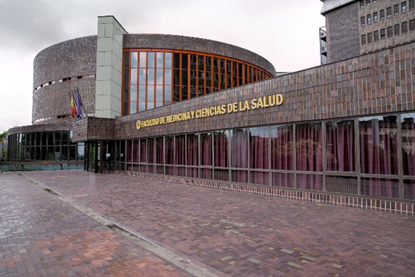
The Faculty of Medicine and Health Sciences, located on the Campus of El Cristo, in Oviedo, groups together the teaching of health studies at the University of Oviedo. Among other qualifications, it offers degrees in Medicine, Nursing, Physiotherapy and Dentistry.
The center also teaches university master’s degrees, postgraduate courses and its own degrees, and coordinates the work experience and research activities carried out with the health centers in the region, especially with the Central University Hospital of Asturias (HUCA).
Studies:
- Degree in Dentistry
- Degree in Medicine
- Degree in Physiotherapy
- Degree in Nursing (UB-specific centre)
- University Master’s Degree in Orthodontics and Dentofacial Orthopedics
- Graduate in Biochemistry (2nd cycle)
- Diploma in Nursing (2000)
- Diploma in Physiotherapy (2000)
- Graduate in Medicine (2000)
- Graduate in Dentistry (2002)
Medicine studies at the University of Oviedo date back to the 18th century, but its existence would be short-lived, from 1768 to 1800. Oviedo Faculty of Medicine was refounded in 1968, beginning its activity in the 1969-70 academic year under the direction of Professor D. Antonio Pérez Casas, as Dean Commissioner.
The Faculty of Medicine building, the work of the architect Castelao, is the first building of the University of Oviedo built on the Cristo campus. It is currently listed as a protected historic building. Subsequently, Professor Crespo Hernández, Professor López-Arranz, Professor Cueto Espinar, Professor Martínez Rodríguez and Professor Riera Rovira have been Deans.
At the same time, Nursing studies began at the University of Oviedo in the 1978-79 academic year, previously they were linked to the Hospitals of the INSALUD health network, with Professor Pérez Casas acting as representative of the University.
The University School of Nursing of the University of Oviedo begins with the teaching of the teachings leading to the Diploma in Nursing. Later, in the 1990-91 academic year, it was renamed the University School of Nursing and Physiotherapy, when the Physiotherapy Diploma studies began.
From that year 1978 until 2001, the location of the Center was changing. Thus, in its beginnings, it was located in the “White Building” of the University on the Los Catalanes university campus. Its next location, in 1980, was the “School of Nurses” building, belonging to the General Hospital and annexed to it, moving in 19987 to the Faculty of Medicine. Finally, on October 10, 2001, it had The official inauguration of the Center’s new facilities, located on the El Cristo Campus of the University of Oviedo, took place. Its Directors were Professor Flórez Lozano, Professor Fernández Iglesias and Professor Mosteiro Díaz.
On October 1, 2010, the merger of all the Health Sciences studies took place, creating the Faculty of Medicine and Health Sciences, which would group the two previous Centers, with Professor Cueto Espinar being elected Dean. Subsequently, the current Dean, Professor López Muñíz, is elected.
The new Faculty offers the Medicine degree, the Dentistry degree, the Biochemistry degree (second cycle), the Nursing Diploma and the Physiotherapy Diploma until its progressive replacement by the Study Plans derived from Bologna. He currently teaches degrees in Medicine (360 ECTS credits), Dentistry (300 ECTS credits), Nursing (240 ECTS credits) and Physiotherapy (240 ECTS credits). For practical clinical teaching, the Hospital Universitario Central de Asturias is basically available, where there is a Teaching Area integrated into the Faculty, as well as the rest of the Hospitals and health centers in the SESPA network. For the practical teaching of Dentistry, it has the University Dentistry Clinic, attached to the Medicine building.
The following departments are located in the Faculty of Medicine: Morphology and Cellular Biology, Functional Biology, Medicine, and Surgery and Medical-Surgical Specialties. The Department of Biochemistry and Molecular Biology and the aforementioned University Dentistry Clinic are located in nearby buildings. The Faculty has, in addition to classrooms, laboratories and administrative services, complementary services such as library, computer rooms, cafeteria-dining room, photocopies, etc. In close proximity there is a modern animal facility, equipped with the latest research techniques, which is functionally shared with the health institutions.
Dental Medicine in the University of Oviedo
Students in the University of Oviedo receive a 5-years training period in dentistry. The total number of students on the University of Oviedo Dentistry Faculty is 539 people (25 students per year). Subjects are taught in Spanish, but some Master’s Degree are in English.
The degrees in Dental Medicine are taught in the Faculty of Medicine and Health Sciences. Upon completion of the upper mentioned 5 years of training, trainees receive the Bachelor’s degree in Dentistry.
The Bachelor exam consists of the following stages:
- Theoretical examination – grid test
- Practical examination
- Final Degree Project
The degree in Dentistry at the University of Oviedo is part of the European Higher Education Area (EEES), which has been promoted by the vast majority of European countries with the main purpose of promoting the mobility and employability of European citizens by harmonizing the higher education systems of the countries belonging to the EU. The European Higher Education Area establishes an education system structured in three cycles: bachelor’s, master’s and doctorate. The European Higher Education Area establishes a common credit system, the European Credit Transfer System (ECTS), and a homogeneous grading system throughout the European Union. Elimination of obstacles to the movement of students, researchers, professors and administrative staff. Promotion of mobility programs and joint training plans.
Change of teaching methodologies towards competency-based learning and lifelong learning.
Bachelor Programme
The first grades dental students training curriculum mainly consists of subjects associated to fundamental, general medical disciplines and dentally related subjects. This way proper premises for a complex integrative training of the future practitioners can be created.
The first grade disciplines are: Human General Anatomy and Embryology, Human Physiology, Biochemistry, Molecular Biology and Genetics, Cell Biology and Human Histology, Radiology, Radioprotection and Imaging Methods in Dentistry, Anatomy Applied to Dentistry, Psychology and Communication, Epidemiology & Public Health, Physiology, Histology and Immunology Applied to Dentistry, Fundamentals and Introduction to Clinical Dentistry and Ergonomics.
Second grade curriculum encompasses General Medical Pathology, Dental Materials, Occlusion and Instrumentation, Pharmacology, Pathological Anatomy, General Surgical Pathology, Surgical Pathology Applied to Dentistry, Microbiology, Conservative Dentistry I.
From the third year of study, students begin to perform the first clinical disciplines, including a first part of simulation of clinical maneuvers as a preliminary step to the next stage of applications on patients.
3rd grade subjects involved: Conservative Dentistry, Periodontology, Oral Surgery I, Preventive and Community Dentistry
4th grade subjects involved: Conservative Dentistry III, Stomatological Prosthetics II, Orthodontics II, Periodontology II, Oral Surgery II, Oral Medicine
5th grade subjects involved: Tutored Internships of Integrated Clinic, Maxillofacial Surgery, Dental Practices in Special Patients, Externalized Internships in Primary Care Centers
Electives: History of Dentistry, English for Dentistry, Social Pharmacology, Human Nutrition
The use of computers in university environment is achieved already in high school studies as a preliminary step to university. During these years, students become familiar with the use of the most important computer programs that will be used and developed more extensively during undergraduate studies. As a step prior to the completion of the different clinical subjects, students perform maneuvers in simulators adapted to each discipline. We are currently immersed in a digitalization process by the management of the center, through the acquisition of 3D scanners for taking records and performing CAD-CAM techniques. In the same way there are systems for capturing and reading radiographic images (PLANMECA ROMEXIS, PSPICX ACTEON SATELEC) for the realization of all clinical procedures necessary during training. The clinic has a computerized system (GESDEN) where the clinical data of the patients, the procedures approved and in execution as well as those already completed are collected.
Students have access to a “virtual campus” where they have access to all the subjects they are taking. There is also an online system (Microsoft Teams) provided by the university for both teachers and students. This allows fluid communication both between students and professors as well as among the professors themselves. This system, which began to be implemented during the pandemic period, was an important element for the maintenance of teaching. It can now be used both for teaching and for consulting and tutoring any professor with the shortest possible delay.
Students also have access to our library, to consult didactic materials, request scientific articles. The university also provides each student with his or her personalized e-mail address, calendar and news daily from Monday to Thursday.
"Grigore T. Popa" University of Medicine and Pharmacy, Iasi, Romania
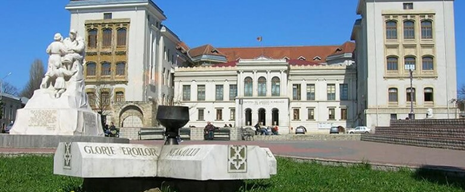
One of the oldest institutions of higher education in Romania, it was founded in 1879, as the Faculty of Medicine, being later associated with two other institutions that complete the area of medical training – the Faculty of Pharmacy and the Faculty of Dental Medicine. In 1991, the institute was granted the status of a University , receiving the name of the famous representative of the School of Functional Anatomy Iași, Grigore T. Popa . Later, the Faculty of Medical Bioengineering, the only one of its kind in Romania, is also included. Today, the university is proud of a valuable teaching staff as well as a modernized material and technical base, suitable for the teaching process and scientific research activity.
Established together with the University of Iași, the Faculty of Medicine began its activity on December 1, 1879, due to the presence in the Government of M. Kogălniceanu and N. Kretzulescu, as well as the shortage of medical personnel after the war of independence in 1877.
The university assumes as fundamental roles the training and improvement of graduates and specialists in medicine, dentistry, pharmacy, bioengineering and health assistance, the creation, storing and dissemination of the values of bio-medical sciences and their affirmation in the European and world circuit, the continuous improvement of the activities and performances of the national public health system, cultivating the tradition of free thought and academic democracy, deontology and bioethics, in the spirit of recognizing fundamental human rights and freedoms and the principle of the rule of law.
UMF Iasi fulfills these missions through the following objectives:
- The training of specialists with higher training, performing in relation to the national and international level
- Updating and continuous improvement of the training of specialists, through different forms of postgraduate education;
- The management of the quality of the educational services of initial and continuous training offered by the university;
- Optimization of fundamental and applied scientific research activities, for raising the quality level, increasing competitiveness and affirming the performances of the medical school in Iași and for the continuous improvement of medical care;
- Promoting international cooperation relations and integration into the European medical education system, by achieving structure, quality and efficiency standards;
- Promoting deontology and bioethics, defending the values of democracy, respecting the fundamental rights and freedoms of the individual in the rule of law;
- Ensuring the appropriate material base for all these activities, as well as adequate working and living conditions for all members of the academic community.
There are four Faculties in “Grigore T. Popa” University of Medicine and Pharmacy, Iasi:
- Faculty of Medicine
- Faculty of Dental Medicine
- Faculty of Pharmacy
- Faculty of Medical Bioengineering

“Grigore T. Popa” University of Medicine and Pharmacy, Iasi, Romania
Faculty of Dental Medicine
The Faculty of Dental Medicine in Iasi was created in 1945 as a section of the Faculty of Medicine, under the guidance of Prof. Dr. Nicolae Dutescu, being the first with this profile in the country. Since 1965 it has been working as an independent faculty, with courses lasting 6 years. After 1989 and especially since 1992, the faculty has undergone a continuous development process, by increasing the number of teachers and the number of students and by modernizing the specialized clinics and equipping them with a modern material base, in accordance with the demands of the third millennium.
The Faculty of Dental Medicine in Iasi is an academic institution structured and organized according to modern principles, being also one of the most prestigious medical faculties in the country – at regional, national and even international level. Its history has been influenced by numerous personalities from Romanian medicine, and many of his graduates now represent significant names for Romanian and international dentistry. Its honorable past and dynamic and modern present are the preconditions for a bright future. Since 2009, faculty of Dental Medicine has set up English and French language study departments, which are open to students from all over the world. The total number of students on the Faculty of Dental Medicine is 1803, excluding the students that are registered in the College of Dental Technical Specialization.
In “Grigore T. Popa” University of Medicine and Pharmacy, Iasi, Romania Faculty of Dental Medicine there are three departments including relevant element disciplines:
- Department of Surgical /Dentoalveolar and Maxillofacial Surgery with component disciplines: Dental-Alveolar Surgery Anesthesia, Sedation And Urgent Medical-Surgical, Oral And Maxillofacial Surgery, Anesthesiology, Basics Of Physics And Biophysics In Dental Medicine, General Pathology And Gold-Maxillofacial, Chemistry And Biochemistry Of The Oral Cavity, Gold-Tooth Prevention, Community Dentistry, Oral medicine, Oral Dermatology, General and Dental Radiology, Pedodontics and Orthodontics and Dental-Facial Orthopedics;
- Dentistry-Periodontology, Fixed prosthesis with component disciplines: Cariology, Endodontics, Periodontology, Fixed prosthesis. Gnathology, DSF Aesthetics;
- Implantology, Removable Prosthesis, Denture Technology with component disciplines: Implantology and Implant Rehabilitation, Partially Removable Prosthesis, Rehabilitation of Partial Edentation, Total Prosthesis, Dental Prosthesis Technology, Dental Materials, Gold-Dental Diagnosis and Gerontostomatology, Ergonomics, Psychomotor and Speech Therapy Recovery, Balneophysiotherapy and Oral Functional Recovery, Public Health and Management.
In “Grigore T. Popa” University of Medicine and Pharmacy, Iasi, Romania Faculty of Dental Medicine there are Batchelor and Master degree programmes.
Batchelor degree programmes include:
- Dental Medicine profile specialization with long term education (6 years) and
- Short Term Education (3 years) for the complementary professions Dental Technicians and Dental Prophylaxis Assistants.
At the end of the two study cycles students in Dental Medicine profile specialization are assessed by the Bachelor Examination, with the aim of obtaining the title of Dental Doctor (MD).
The Bachelor exam consists of the following stages:
- Theoretical examination – grid test
- Practical examination
- Diploma paper
The Bachelor of Dental Medicine in Iasi is recognized by the Romanian Ministry of Education, as well as by specialized bodies in other countries around the world: member countries of the European Union, USA, Canada (since 2007), Egypt, United Arab Emirates, Germany, Greece, India, Jordan, Iraq, Iran, Israel, Kuwait, Lebanon, Morocco, Oman, Qatar, Syria, Sudan, Sweden, Tunisia, Turkey, and Yemen.
Bachelor Programme
The first and second year students training curriculum at the Faculty of Dental Medicine mainly consist of subjects associated to fundamental and general medical disciplines. This way proper premises for a complex integrative training of the future practitioners can be created.
In the time of the third academic year the number of clinical disciplines increases. Students are introduced to clinical situations through simulation treatment activities, and in a further stage of training process they apply skills acquired on treatment of real patients.
Dental disciplines come together with medical ones during next years of education. They are taught as follows:
- 3rd year specialized disciplines: Odontotherapy II, Oro-dental Diagnosis, Occlusology, Periodontology I, Preventive Dentistry, Prosthodontics – Single tooth restoration, Geriatric Dentistry
- 4th year specialized disciplines: Anesthesia and Sedation in Dental Medicine – Anesthesiology, Oral Surgery, Endodontics, Pediatric Dentistry, Prosthodontics-Fixed Dental Prothesis, Prosthodontics-Removable Partial Denture. Acrylic Denture, Prosthodontics-Complete Denture
- 5th year specialized disciplines: Oral and Maxilllo-Facial Surgery, Orthodontics and Dentofacial Orthopaedics, Periodontology II, Oral Pathology, Prosthodontics – Cast Removable Partial Denture
The 6th year training is focused on specialty practice in Odontotherapy, Endodontics, Periodontology, Aesthetics in Dental Medicine, Prosthodontics-Fixed Dental Prothesis-Ceramic Restorations, Prosthodontics-Removable Partial Denture, Prosthodontics-Complete Denture, Implant prosthodontic Therapy, Prosthodontics-Maxillofacial Prothesis, Orthodontics and Dentofacial Orthopaedics, Pediatric Dentistry, Medical-Surgical Emergency in Dental Medicine, Oral and Maxillofacial Surgery, Rehabilitation with Surgical Lasers in Dental Medicine, Oral Surgery.
In the course of this last year Management of Dental Office: Ergonomics-Oral Public Health and Dental Management, Management of Dental Office: Ergonomics-Management of Devices, Materials and Maneuvers in Dental Office, Robotics and 3D simulation are also part of the curriculum.
Computer and related technology skills knowledge. are achieved during the first year in the discipline of medical informatics and biostatistics, where students get acquainted with the basic techniques of statistical analysis on medical data sets and of course with the use of the most important computer programs.
For the clinical disciplines in their simulation module, students perform the main maneuvers on modern state-of-the-art simulators as well as on some Dentsim-simulators. DentSim 3D computer simulators are the world’s most advanced type of dental surgery simulators and offers all the advantages of a hands-on clinical working session, which it combines with the virtual simulation environment, the use of the highest quality dental instruments, the full computerized monitoring system of dental maneuvers and 3D graphics facilities for digital rendering of the working session.
As modern dentistry is governed by digital aspects, more and more it becomes obvious to accommodate the student to this register. An eloquent example is offered by dental prosthetics which brings together in its infrastructure optical impression, a CAD-CAM system, computerized axiography and a dentscan. It is important to mention that our university has implemented an extensive digitization project which will be reflected in the optimization of the infrastructure in both preclinical and clinical disciplines.
Patient records are kept using a clinic computer system with multiple facilities – recording of patients’ clinical data in an intranet system, image retrieval and storage, free access to the Internet – which contributes to the creation of a valuable information data and efficiently assists medical activity.
The implementation of projects with European funding has also allowed the creation of IT tools useful in assisting the teaching process – two e-learning computer platforms, DENT_CURSURI, with material support in virtual atlas format, for course assistance on most of the specialist subjects and DENT_STAGII, a vast collection of dental activities presented at a descriptive level, used as preliminary preparatory material for students during practical training.
The two platforms have a modular structure and multiple functions; in addition to the online resources themselves, they also contain Library modules, for uploading new teaching materials, Online Testing and Virtual Community, with Forum for discussions, Internal E-mail, Calendar and News functions.
Dental impressions are made by intraoral scanning, which accurately reproduces the anatomical features of the patient’s oral cavity.
The generated 3D model can be sent directly to a fully equipped CAD-CAM system, which enables high-quality prosthetic work to be carried out.
The practice is also equipped with a DentSCAN 3D model scanner, which is equally compatible with the CAD-CAM system. Using the unique “Axiom” technology, the most accurate post-implant restorations can be achieved by identifying the precise position of dental implants based on the scanned data. The KAVo Arcus Digma computerized axiography system, useful for rapid and accurate detection of jaw movements, necessary for correcting malocclusions and achieving a functional chewing surface. The EasyShade spectrophotometry system for recording tooth color, which guides the student towards the correct acquisition of these elements, an intrinsic condition for obtaining highly demanding prosthetic restorations.
Teaching methods are dichotomized into courses and clinical internships. The courses are based on PowerPoint presentations that may include videos relevant to issues discussed. Both video recordings and clinical scenarios are found in the manner of conducting clinical internships through the platforms developed within the framework of two European projects. It is also necessary to mention that videos are used to present clinical activities or algorithms, students can see them on the screens as an aid to clinical activities. The virtual patient will be part of the future methods of conducting clinical internships, and there are currently several projects in the pipeline.
Master programmes
Depending on the chosen specialization, Master’s programmes last 2 or 4 semesters, with 30 credits being accumulated during each semester. Candidates for the Master’s program must submit their application with the necessary documents to the Dean’s Office between 1 and 15 September.
Admission to the Master’s program is based on an interview between 25 and 29 September and courses start in October. The final evaluation is based on an exam and a dissertation, which is a personal research project. Tuition fees vary between EUR 500 – 700/year, depending on the chosen specialization, taking into account its complexity and the material base involved.
| Accredited specializations: | Duration / no. of credits |
| Implant Prosthetic Rehabilitation of Edentulousness |
2 years (120 credits) |
| Non-Invasive Methods of Diagnosis and Treatment in Dentistry |
2 years (120 credits) |
| Laser Therapies |
2 years (120 credits) |
Soft Skills Teaching And Learning
Soft skills are taught in the preclinical areal of study. Soft skills are component of the following disciplines: Behavioral Sciences, Medical Psychology, Medical Sociology, Medical Communication, Scientific Research Methodology, Bioethics and Deontology. Knowledge acquired enable further student-patient communication and clinical practice management.

Medical University, Sofia, Bulgaria
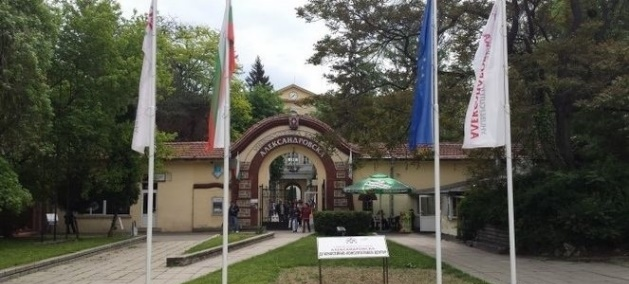
History of Medical University Sofia
The Law establishing the Medical Faculty of Sofia University was passed by the 17th National Assembly on November 10th 1917.
By decree №21 of His Majesty, King Ferdinand entered into farce and is recorded in government’s White Paper on November 22nd 1917.
The draft was submitted by the Minister of Education Peter Peshev. In his address, he says: “Undoubtly, one of the important governmental tasks we have to accomplish is the opening of the Faculty of medicine at our university…. This is the first of all for our national pride and, more importantly, for the sense of the dignity of our country, on thr path of a better future. This is also the result of the necessity to lay the foundations of Bulgarian science in the field of medicine.”
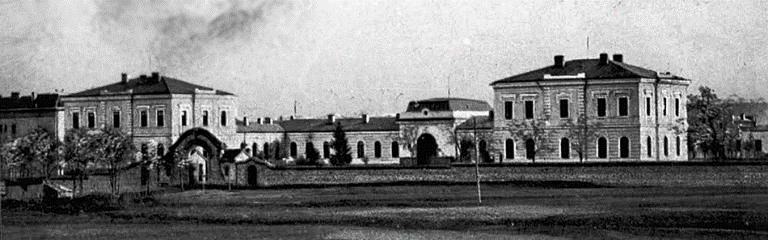
Hospital “Knyaz Alexander I” XIX cent.
The first lecture at the Faculty of medicine was held in April, 1918. The offocoal opening was attended by the Minister of Education and members of the Supreme medical council. Professor G.Shishkov read the first lecture on zoology, and the second one – by Al.Hristov – professor of physics.
There were 12 departments in Faculty of Medicine but the amendment to the Law of Higher Education adopted in 1946 raised their number to 31.
In 1950, according to Decree No 246 of the Presidium of National Assembly, a Medical Academy was established. Thus the Medical Faculty became an independent institution of the the Sofia university. Professor M.Markov was appointed as its manager. In the same year, the institute for the Professional Development and Specialization of Physicians was established.
In 1954 the Medical Academy was renamed to the Higher Medical Institute.
For many years after Bulgarian liberation, pharmacists have graduated leading foreign universities. After 1880, by the Supreme Medical Council regulation there was training only for assistant pharmacists. In 1942 at the suggestion of professor Alexiev the Pharmacy Department at the Sofia University Faculty of Physics and Mathematics was established. Since 1951 it became a department at Medical Academy of Sofia with first Dean Professor D.Dalev.
Mission of the Medical University – Sofia
Medical University – Sofia trains in the spirit of professionalism, tolerance, teamwork skills, responsibility, autonomy, problems solving and decision making skills. This is the way that MUS tries to face increasing public needs.
Goals of the MUS mission are:
-
To achieve and improve MUS recognition as internationally recognized research center
-
To ensure high quality education and research
-
To ensure that graduated medical specialists as employees or employers meet the demands of healthcare systems
-
To optimize resources used for work conditions and services improvement
Structure of Medical University, Sofia
There are four faculties and two collages in Medical University Sofia:
-
Faculty of Medicine
-
Faculty of Dental Medicine
-
Faculty of Pharmacy
-
Medical University-Sofia Subsidiary in city of Vratza
-
Medical College of Sofia
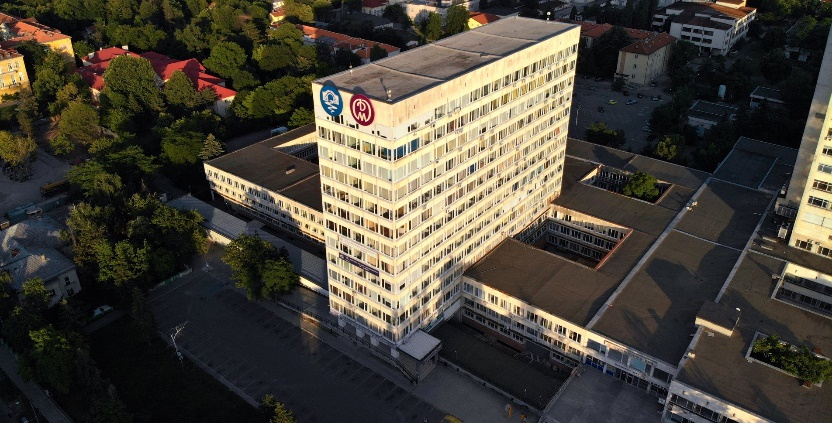
Faculty of Dental Medicine
In the early nineteenth century there was a rise in the social and cultural life of the Bulgarians, including in medicine and healthcare. In 1837 in Shumen the first Turkish military hospital, a medical institution of modern type, was established. In 1865 civil hospitals were opened in Ruse and Pleven, in 1868 –in Varna, Shumen, Belogradchik, Vidin and Kula, Sliven and Plovdiv. In 1869 the Catholic hospital in Plovdiv, which was founded by a Croatian Catholic order, was opened and was the most advanced for that time. The first Bulgarian doctors who graduated in Western Europe, Russia, Turkey and Romania came and started practicing in their home towns. Among them were Atanas Bogoridy, Nicholas Pikolo, Petar Beron, Stoyan Chomakov, George Mirkovic, Ivan Bogorov, George Vulkovich, Christo Stambolski, Stojko Yordanov, Georgi Sarafov and others. The books they wrote set the basis for Bulgarian Renaissance medical literature and there the authors devoted particular attention to dentistry. Until the Liberation dental care in Bulgaria was provided by the barbers, healers and doctors. However, according to some sources, there were cities where foreign dentists worked – such as Ruse (1865) – Dr. S.Landau from Vienna, Dr. Robin – 1869, Angelo Gastaldi – 1873, Dr. G.Zhyusti – 1874, Dr. Zh.G.Pop, a dentist of the Imperial court in Vienna (1875). After the Liberation of Bulgaria from Ottoman yoke beneficial conditions for the development of the state were created. In the Principality of Bulgaria and Eastern Rumelia two documents, governing the organization and management of health services were created and published (the country was divided by the Treaty of Berlin until 6 September 1885). Those documents were the legal basis of the medical and dental profession in the “two Bulgarias.” They were: “Temporary rules for medical service management in Bulgaria” and “Public administrative health rules № 30” for Eastern Rumelia. In the very next year (1880) the Sanitary Board of Eastern Rumelia issued License № 1 to Vasil Argazov who had graduated the Bucharest dental school – “… to put into practice the dental art in Eastern Rumelia.” That was the first licensed dentist, whose descendants up to the fourth generation, were also committed to the dental profession. After the Liberation some foreign dentists came to Bulgaria, among them Friedrich Flamich (1878), Ignatius Mushler (1880), Siegfried Hoff (1887), Wilar (1885), Voltaire Viller and others. Each of them contributed to the development of dentistry in Bulgaria. Fr. Flamih chaired the Constituent Assembly of the First Bulgarian Odontology Society in 1905. I.Mushler was considered the founder of oral hygiene and preventive dentistry, Siegfried Hoff was the first dentist who spared time at certain days for free dental treatment and tooth extractions for poor people. Voltaire Viller created a tooth powder “КINOL” which “keeps teeth clean and prevents gums from suppuration.” According to the General Directorate of Statistics in the Principality of Bulgaria, in 1893 there were 14 foreign dentists who practiced in the following cities: Vidin – 2; Plovdiv – 3; Pleven – 1; Ruse – 2; Sofia – 4; Tarnovo – 1 and Harmanli -1. In 1903 the practicing dentists were 27: 16 Bulgarians, 5 Greeks, 3 Armenians, 1 American, 1 Polish and 1 Czech. The first Bulgarian dentists had graduated mainly in Russia. They were both doctors and dentists. Usually they worked in a public service establishment as physicians and had a private dental practice. Dr. Themistocle Paraskevov who had graduated in medicine in Athens and specialized dentistry in Paris (1890) was the first certified Bulgarian physician-dentist. Dr.MichaelElmazov (1859-1928)
The increased dentists number and the need for protecting their professional interests required the establishment of an organization that united the dentists and helped decision making on urgent matters of the dental society. In 1905 in a small hall of Cultural Center “Slavjanska beseda” in Sofia the First Congress of the First Odontology Association was held. Dr. M.Elmazov was elected president, Dr. D.Toshkov – secretary and 9 dentists – members. At the 4th Congress (1910) the Bulgarian Odontology Association was renamed Bulgarian Dental Association. After the 5th Congress in 1911 the publishing of the journal “Dental Review” was started. It dealt with scientific, practical and organizational problems of the dental society. The journal was published under this name till 1950, and then, till 2001 – under the name of “Stomatology”. In 2001 it was again renamed “Dental Review” and since 2007 it has been published under the name of “Dental Medicine”. This journal is a serious scientific magazine that has played and plays a major role in the development of dentistry in Bulgaria. Bulgarian Dental Association is a developing organization that has contributed to: 1. the creation of the School of dentistry in Bulgaria; 2. establishing a public dental service (The first dental office was opened in the Sofia School for Boys); 3. the financial support of dentists by the Dental Cooperative, established in 1919, to help them to acquire office equipment and materials supply; 4. the regulation of the profession by defining the relationships with physicians, dental technicians, barbers and others. With the Public Health Act of 1929 the many titles – dentist, tooth doctor, doctor, and surgeon, were limited to only two: dentist and dental doctor. Only those who had a university degree were called ‘doctors’. As by the Ministerial Decree enacted in 1932 the phisicians who wanted to practice dentistry had to pass a two-year training course, technicians were qualified as craftsmen without the right to work directly with the patients, and barbers were definitely prohibited from any medical practice.
The Bulgarian Dental Association existed until 1949. That year the professional associations of doctors, dentists and pharmacists were integrated in the Trade Union of Health Workers. In 1991 the Bulgarian Stomatological Association was established.
The discussion “for” and “against” opening a higher dental school in Bulgaria took more than 30 years. The idea of opening a School of dentistry was promoted by members of the Bulgarian Dental Association. Opponents of this idea stated that a university would be costly for the state, would create an excess of dental professionals, and there were no well-trained teachers. The unsuccessful wars that Bulgaria led in this period – in 1913, 1919 and the subsequent economic and political crises, also delayed decision making on this issue. On 24 June 1942 at the 4-th Session of the Ordinary National Assembly Decree № 32 for the creation of two departments at the Medical Faculty – in medicine and in dentistry, was adopted. The Department of Dentistry was structured in three sections: Operative Dentistry and Orthodontics, Prosthetic dentistry and Conservative dentistry. Three German alumni were elected heads of the sections – Associate Professors Slavtcho Davidov (graduated in Leipzig), George Stiliyanov (Halle) and Dimitar Svrakov (Freiburg). The same year the first academic course started and the number of students was 79. At the beginning, especially during the war evacuation (1943- 1944), the newly created school faced the need of trained teachers, premises and equipment, materials and instruments. Elected heads of sections recruited as assistant professors dentists who had graduated abroad. They developed their carrier as lecturers and academic teachers, becoming professors and heads of departments. These were Prof. Boyan Boyanov, Prof. Zhecho Koev, Prof. Michail Balabanov, Prof. Dinko Stranski, Prof. Todor Burkov and others. At that time the government decided, young people who had taken part in the Second World War could study without entrance examinations. That led to unexpected results: in 1944 the number of first year students was 941 and in 1945 – 1139 (“cursus magnum”). The high interest in studying dentistry was a sign of the high social prestige of the profession. In 1950 the Dental Department was renamed Stomatological in order to emphasize the improved medical training of students, and in 1951 it was reorganized as a separate Faculty of Stomatology at the Medical Academy.
Today the Faculty of Dental Medicine is a state, autonomous and accredited institution of higher education with distinct mission and goals, devoted to training dental medicine specialists. It is part of the Medical University of Sofia and is the oldest state educational institution for Master’s degree in dental medicine, postgraduate specialization, and a doctoral degree in accredited dental specialties.
With protocol No 11 issued on 09.04.2015, the Accreditation Council of NEAA gives program accreditation to the specialty ”Dental Medicine” of the regulated professions for the educational-qualification degree “Master” at the Faculty of Dental Medicine of MU-Sofia, based on a general evaluation, according to criteria 9.56. The accreditation period is 6 (six) years, following Art. 79, article 4, item 1 of the Law for Higher Education.
The Faculty of Dental Medicine provides training both in Bulgarian and English language for international students. The curricula, the organization of education and the control on acquired knowledge and skills are in line with the EU Directives and preserve the heritage and experience of the faculty in the field of dental education.
The Faculty educational facilities include pre-clinical and clinical rooms, auditoria, classrooms, seminar rooms, a specialized library, an information center, an administrative and economic department, etc.
The training in general medicine is performed in the premises of the Medical University – Sofia – an established center for pre-clinical and clinical education, as well as research development in all medical specialties.
The major objective of the Faculty Management Board is to continuously improve and modernize all areas of its activity – management, education, research, staff, and facilities.
-
Тhe Faculty of Dental Medicine is called upon to preserve and develop academic and professional autonomy, to encourage the development of professional knowledge and dental science, to grant decent professional realization of its graduates. To teach them humanity and responsibility, as well as a consistent interest towards further improvement.”
-
The Faculty’s mission is:
-
To educate dental specialists with a contemporary vision, high professionalism, and moral, with a responsible and human attitude towards oral health of patients of all ages;
-
To create highly qualified teaching staff, to develop education according to current international standards through the implementation of all achievements of the world dental science and to research up-to-date scientific problems;
-
To integrate into the modern European and world education system, providing free movement of workers and students;
-
Maintain academicism and professionalism.
The main goal of the faculty is to create professionals – Doctors of Dental Medicine, Masters, specialists, and P.h.D students, who are able to successfully apply the acquired knowledge and skills in the social environment to protect, restore and strengthen the dental health of the population, i.e.the faculty’s mission is directed to the public needs and expectations.
By its mission and main goal, the Faculty of Dental Medicine – Sofia has the following specific objectives and tasks for the qualitative preparation of the graduating Doctors of Dental Medicine:
1. To have an understanding of the basic, biological, behavioral and medical sciences that construct the contemporary concepts of oral healthcare and its preservation;
2. To practice dental medicine in its entirety – comprehensive care for the patient without harming them or the environment;
3. To understand the ethical and moral responsibilities of dental medicine, both for the individual patient and society as a whole;
4. To treat according to the community’s treatment needs for reduction of oral diseases;
5. To know the etiology and principles of biological processes at the molecular level, the pathogenesis, demographic characteristics, prevention and treatment of diseases in the oral cavity;
6. To be familiar with the pharmacology of related to dental medicine drugs and to understand their use in common diseases and their oral manifestations. To be able to prescribe the proper medication for the treatment of dental diseases;
7. To know biomaterial sciences as required by the dental practice;
8. To practice within the ethical and medical-legal requirements of the professional association;
9. To control cross infections and prevent chemical, physical and biological contamination;
10. To apply the full scope of modern practices for pain and fear management in patients when working at the dental office;
11. To acknowledge the importance of continuing professional education and qualification for making adequate progress in all areas of oral medicine;
12. To actively promote health, with particular responsibilities towards the maintenance of oral health;
13. Upon graduation, to be able to objectively evaluate the quality of their work;
14. To be able to analyze up-to-date scientific literature and implement research findings in the treatment of patients.
Structure of the Faculty of Dentistry
There are 8 departments established at the Faculty of Dental Medicine:
At the Faculty of Dental Medicine at the Medical University of Sofia, students are taught dental medicine to graduate as “Master of Dental Medicine”.
This education provides knowledge and skills required for proper prevention, diagnostics, and treatment of oral diseases. Theoretical preparation is acquired through compulsory, elective and facultative courses via lectures, seminars, exercises, and self-training. Practical skills are obtained through practical exercises during semester training, schooling practices, and pre-graduate internship. Students’ practical training involves a certain amount of therapeutic activities.
The education of students in dental medicine is organized in three stages:
First Stage
During the first two years, students receive medico-biological training.
Second Stage
The clinical and medical training is received from the second to the tenth semester and includes education in general medical and specialized dental disciplines.
Third Stage
The pre-graduate internship includes a 1-hour daily practice in Pediatric Dental Medicine, Conservative Dentistry, Oral and Maxillofacial Surgery, Prosthetic Dental Medicine, Periodontology and Orthodontics, and ends with state examinations.
State Examinations
Students who pass them successfully are awarded Doctor’s qualification in Dental Medicine and a Master’s degree. From 2005/2006 a credit system was introduced for the implementation of Ordinance №21 / 30.09.2004. The Faculty’s management encourages students to take part in research activity. Credits are also awarded for student participation in scientific and research projects, congresses and conferences, as well as for publications in Bulgarian and foreign journals. The duration of dental education is 6 years. It takes ten semesters of 15 weeks each, divided into two semesters per year. After the second, fourth, sixth and eighth-semester students must complete a 30-day summer internship. The tenth semester is followed by pre-graduate internship – 6 months (1014 hours). The educational process for obtaining a Master’s Degree in Dental Medicine ends with 6 state exams in the major dental disciplines – conservative dentistry, prosthetic dental medicine, dental, oral and maxillofacial surgery, pediatric dental medicine, orthodontics, and periodontology.
Elective Courses
From the first till the fifth year, students are required to collect 9,6 credits from elective courses, as well as participation in scientific research projects, congresses and conferences, and publications in Bulgarian and foreign journals.
At the Faculty of Dental Medicine, Sofia, students can choose from the following elective courses:
-
Physiotherapy – Department of Conservative Dentistry
-
Dental Implantology – Department of Prosthetic Dental Medicine
-
Dental Allergology – Department of Imaging and Oral Diagnostics
-
Oral Medicine – Department of Imaging and Oral Diagnostics
Students in dental medicine can also attend elective courses from the Medical Faculty.
II. Completion of state internship
Successfully defended before a committee result of the complex approach in the treatment of a patient.
III. State exams
The grade is based on the performance during the state exam.
Components of the assessment:
1. Test in each of the disciplines.
– test evaluation criteria:
- up to 59% – Weak
- 60% to 69% – Medium
- 70% to 79% – Good
- 80% to 89% – Very good
- over 90% – Excellent.
2. Written question(s), clinical case(s), etc., depending on the specifics of training.
3. Final grade – average of the grades of the individual components.
With a poor result of one of the components, the exam is repeated during the following sessions.
Postgraduate Education in Faculty of Dental Medicine, Sofia
Specialty Attainment at the Faculty of Dental Medicine, MU-Sofia
The requirements and procedure for specialty attainment in the healthcare system and its financing are regulated by Ordinance No.1 of 22.01.2015 at the Ministry of Health, ref. DV. Issue 7 of January 27, 2015, amend. and ext. DV. 83 of 27 October 2015, Suppl. DV. Issue 88 of November 8, 2016, amend. and ext. DV. Issue 58 of 23 July 2019.
Specialties
Nomenclature of specialties in the healthcare system for physicians with professional qualification “Doctor of Dental Medicine” is described in annex No.1 to Ordinance No.1 of 22.01.2015 of the Ministry of Health. At FDM – MU Sofia theoretical and practical training is conducted in the following specialties:
-
Oral surgery – 3 years;
-
Dental, oral and maxillofacial surgery – 4 years;
-
Maxillofacial surgery (for persons with professional qualifications ” Doctor”) – 5 years;
-
Prosthetic Dental Medicine – 3 years;
-
Dental implantology – 3 years;
-
Orthodontics – 3 years;
-
Operative dentistry and endodontics – 3 years;
-
Periodontics and oral diseases – 3 years;
-
Pediatric dental medicine – 3 years;
-
Social medicine and public dental health – 3 years;
-
Dental Clinical Allergology – 3 years;
-
Dental imaging – 3 years;
-
General dental medicine – 3 years.
Specialty attainment requires theoretical and practical training in the relevant discipline and ends with a state exam (practical and theoretical) before a state examination committee. The training for a specialty and the state exam is conducted in Bulgarian. In addition to the theoretical and practical training, the Faculty of Dental Medicine conducts theoretical courses only for residents admitted for practical training in accredited faculty bases, who have a contract with the Medical University – Sofia. Surgical practical training is divided into modules and sections, some of which are not held at the Faculty of Dental Medicine and take place at another hospital – training base. The terms and conditions for conducting this training shall be specified in a contract between the specialist training base and the host hospital or institution of higher education. The host hospital or institution of higher education issues a Certificate of Attendance for each module or section of the course program.
Soft Skills Teaching and Learning
In curriculum there are items concerning soft skills incorporated in different disciplines, mainly Medical Psychology, Social Medicine and Medical Ethics, Dental Public Health.
The above mentioned disciplines are conducted during the preclinical and early clinical training so that students become familiar with communication and patient management prior their entrance in the clinics. Teaching is based on lecturers and seminars. Topics in the program concerning soft skills are “Developmental Psychology“, “Anxiety and stress in the dental practice“, “Dental phobia“, “Relationships in the dental practice: team; doctor-patient“, “Communication and Barriers to Effective Communication in Dental Medicine Communication in Dentistry – Verbal and Nonverbal Communication“, “Dentist-Patient Communication. Team-building training for improving communication skills in the dental office. There are some Medical Social Medicine and Medical Ethics discipline topics that are also associated to soft skills development: “Socio – medical approach in dental practice”, “Principles in Medical Ethics”.
In Paediatric Dental Medicine training there are two lectures facing soft skills
1. “Problems in children dental treatment” as the content includes: child’s development stages – physiological and cognitive. Anxiety, fear and phobia of dental treatment. Methods for their assessment.
2. “Non-pharmacological methods of influencing children’s behavior in the dental office” – and this includes – factors affecting the child’s cooperation in the dental office, parenting styles, the role of the dentist, managing the child’s behavior in the dental environment.